
Nearly everyone has had the experience of the stinging sensation of a pimple that just burst, and you are left wondering, why do pimples hurt. Although it is believed that acne is only a cosmetic problem, the reality is that there is pain associated with pimples due to intricate biological events that occur within the skin. This knowledge of the reasons behind the painful nature of pimples will make it possible to control pimples and prevent unnecessary inflammation, scarring, and pain.
Our article will discuss 7 key reasons pimples hurt, the most painful types of pimples, the possibilities of reducing the pain without endangering the health of an individual, and when to resort to the assistance of a professional. At the end, you are going to know how painful acne is and how you can address it in a manner that a dermatologist would suggest.
Why Do Pimples Hurt? Understanding the Science Behind Painful Acne
Pimples do not come out of thin air; they cause the formation of blockages in your pores, bacteria, and inflammation. When you know the science behind the reasons pimples hurt, you get information on the way to treat them and why certain ones are more painful than others. Intensive pimples are normally associated with more severe inflammation and pressure on susceptible nerve endings below the skin.
How Acne Forms Inside the Skin
Starring in acne, the hair follicles, or as they are commonly referred to as pores, become blocked with oil, dead cells, and bacteria. They are small pores that are linked to the oil glands that are located beneath the skin. The oil and debris trapped in the blocked pores will provide a risk habitat, where bacteria can reproduce. The body reacts to the same by initiating inflammation, which in most cases brings about pain.
The Role of Inflammation in Painful Pimples
The natural reaction of your body to infection or irritation is inflammation. When bacteria such as Propionibacterium acnes enter the blocked pore, the immune system dispatches the white blood cells to combat the bacteria. This produces tenderness, swelling, and redness. Simply, painful pimples are painful since your body is currently fighting the infection that is trapped in the pore.
Why Pressure Builds Up Beneath the Skin
Pimples can also be beneath the skin, and they may not have a whitehead. These pimples are blind and when they accumulate pressure under the skin, they tend to press on nerve endings, making them very uncomfortable. This is what makes pimbles even more painful compared to others, based on how deeply they penetrate the skin.
Why Some Pimples Hurt More Than Others
Not all pimples hurt equally. Surface pimples, such as blackheads and whiteheads, can be considered mildly irritating and not very painful. Greater pimples like nodules and cysts are painful as they:
- Both layers of skin have form.
- Produce bigger inflammatory reactions.
- Stroke nerve endings.
This knowledge is what makes it possible to answer why do pimples hurt is not about the superficial acne, but the underlying mechanisms.
7 Common Reasons Why Pimples Hurt
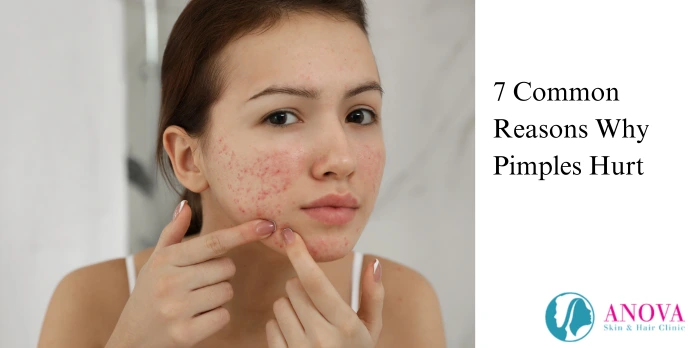
Various factors can be used to explain why pimples hurt, yet the most popular are seven. Knowing these will aid in the treatment of acne and alleviation of pain.
1. Inflammation Around the Hair Follicle
Pimple pain is primarily caused by inflammation. When bacteria are perceived in the clogged pore, the body reacts to it with an immune response. White blood cells run to the place to combat bacteria, leading to swelling and redness. The heightened blood circulation and the buildup of fluid strain the nerve ends, leading to the common pimple throbbing.
2. Bacteria Growth Inside the Pore
The bacteria within the obstructed pore multiply fast, emitting toxins and producing additional irritation. These bacteria cause the process of inflammation and the formation of pus. The result? People have painful pimples that are tender to the touch. Propionibacterium acnes is a common bacterial species that is normally present in the skin, but it causes problems in clogged pores.
3. Clogged Pores Filled With Oil and Dead Skin Cells
The skin oil or sebum is generated to keep the skin moist. It can, however, block pores in combination with dead skin cells. This obstruction leads to the pressure within the pore, stretching the skin and producing pain receptors. The worse it is, the more it is clogged.
4. Deep Acne Lesions Beneath the Skin
The acne lesions that develop within the skin are formed as nodules and cysts. These lesions do not appear on the surface at once, as is the case with superficial pimples. These depths make them intensely inflamed and push on nerve endings, causing severe pain. That is why why do pimples hurt can be vaguely more evident in the case of cystic acne.
5. Hormonal Changes That Trigger Painful Acne
Androgens, together with other hormones, enhance the production of oil in the skin. This oil overcharge may enlarge this block and cause painful pimples. Puberty, menstruation, pregnancy, or stress are usually causes of hormonal imbalances contributing to inflamed and uncomfortable pimples.
6. Skin Irritation or Picking at Pimples
Picking, scratching, or touching of pimples aggravates inflammation. Bacteria may also be driven further into the skin, resulting in greater swelling and pain. This is one of the reasons why dermatologists never recommend popping or squeezing pimples, because it only enhances pain and exposes one to scarring.
7. Increased Pressure on Nerve Endings
There are those pimples that are simply sensitive to pain due to the presence of nerves. There are more nerve endings in areas such as the chin, jawline, and forehead, and hence inflammation in these areas is felt to be more painful. These areas may have blind pimples and cysts that are throbbing, sharp, or painful.
Types of Pimples That Are Most Likely to Hurt
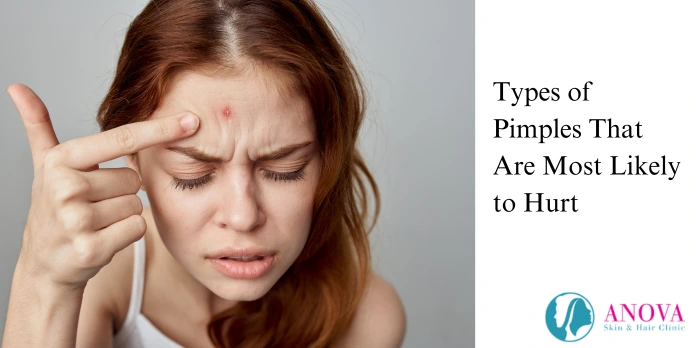
Not all acne is created equal. Being aware of what kind of pimples may cause pain will help you to control pain and treatment.
Papules: Small but Inflamed Pimples
Papules are small red spots, which are the result of inflammation. These are soft and may be touch sensitive, yet they do not produce pus. Although these are mild when compared to cysts, papules are painful and an indication that your body is in the process of combating infection within the pore.
Pustules: Painful Pimples Filled With Pus
Pustules resemble papules, but they are filled with pus. The pus becomes piled up, adding pressure and pain. They are normally red in color with a yellow or white center and should be handled carefully to prevent scarring.
Nodules: Deep and Tender Acne Lesions
These are hard, painful nodules that become deep underneath the skin. They are bigger than papules or pustules, and this is able to last for weeks. The exudative inflammation is the reason why why do pimples hurt occurs particularly with nodules.
Cystic Acne: The Most Painful Type of Acne
The largest and most painful pimples are called cysts. They develop deep within the skin, are full of pus, and are likely to result in scars. Farewell, cysts are very uncomfortable, as they combine deep inflammation, the presence of fluid, and pressure on nerve endings.
Why Do Pimples Hurt More When They Are Under the Skin?
Blind pimples and cystic acne tend to form beneath. Their richness puts strain on nerve ends, resulting in throbbing or aching pain.
What Are Blind Pimples?
Blind pimples are inflamed pimples that lack a head. They are developed within the skin, usually around the chin or even in the jaw. The inflammation pushes against the sensitive nerve endings, due to being confined under the skin, resulting in pain.
Why Deep Pimples Cause More Pain
The deeper lesions have more tissue to be inflamed, more nerve pressure, and more fluid. This is the reason as to why cysts and nodules are more painful than superficial whiteheads or blackheads.
How Long Painful Pimples Usually Last
The length of time taken by a painful pimple depends on the type:
- Papules: 3-7 days
- Pustules: 5-10 days
- Nodules: 2-6 weeks
- Cysts: 4-8 weeks
Pain and recovery can be minimized by treating, taking care of the skin, and ensuring that it is not irritated.
How to Reduce Painful Pimples Safely
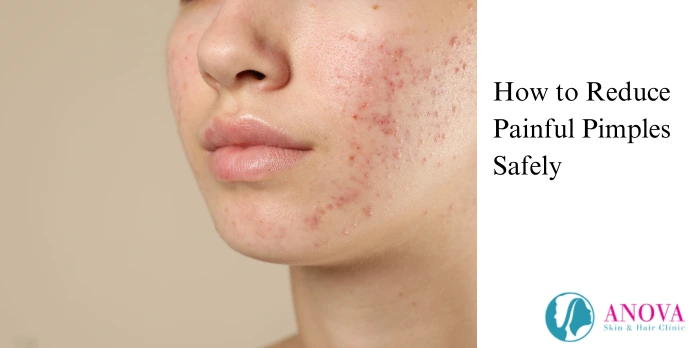
Pimple pain cannot be reduced by means of topical therapy alone since lifestyle changes are necessary. The strategies outlined below are good and have the approval of dermatologists.
Applying Warm or Cold Compresses
- Warm compress: assists in raising the blood flow, and the immune system can effectively combat infection.
- Cold compress: Swelling and numbing pain are relieved in the short run.
Switch between the two to recalcitrant and red-tipped pimples.
Using Over-the-Counter Acne Treatments
- Benzoyl peroxide: Destroys the bacteria that cause acne, and it lowers the inflammation.
- Salicylic acid: Assists in clearing the pores and swelling.
- Retinoids: Stimulate the skin turnover and blockages in the future.
Direct use to prevent irritation.
Keeping Skin Clean Without Overwashing
- Apply a mild cleanser on the face twice a day.
- It should not be abrasively scrubbed or cleansed.
- Pat skin dry, do not rub
This helps avoid additional irritation, as well as the pain of pimples.
Avoiding Popping or Squeezing Pimples
Regular popping of pimples may force the bacteria further, enhance inflammation, and result in scars. It is among the worst errors individuals commit in an attempt to alleviate the pimple pain.
When Painful Pimples May Require Medical Treatment
Home remedies are at times insufficient. Extensive or chronic pimples can be treated by a professional.
Signs Your Acne Needs Dermatologist Care
- Weekly persistent nodules or cysts.
- Extreme pain or swelling
- Infection symptoms include pus or warmth.
- Scarring or hyperpigmentation.
Professional Treatments for Painful Acne
- Injections of cortisone into the cysts.
- Topical or oral antibiotics that are of prescription-strength.
- Hormone-based hormonal therapy of acne.
Dermatologists are able to select the most optimum combination to avoid scarring and in order to relieve pain.
Prescription Medications for Severe Acne
- Oral antibiotics
- Hormonal therapy (woman)
Such treatments are aimed at treating the causes of painful pimples, but not only the symptoms.
How to Prevent Painful Pimples From Coming Back
It is always better to prevent than to cure. Regular skincare and lifestyle changes can be used to curb pimples that are painful.
Maintaining a Consistent Skincare Routine
- Light bathing two times a day.
- Hydra IQ moisturizing Non-comedogenic products.
- Exfoliation of the dead skin cells in a week.
Choosing Non-Comedogenic Skincare Products
- Do not use oil products or heavy products.
- Apply light and water-based moisturizers.
- Label on checks of non-comedogenic.
Managing Hormonal and Lifestyle Triggers
- Minimize stress through meditation or exercise.
- Maintain a balanced diet
- Monitor hormonal patterns to predict relapses.
FAQs:
1. What does it mean when pimples hurt?
Painful pimples normally imply that the inflammation is more deep rooted within the skin. The pore is clogged with oil, bacteria and dead skin cells which create pressure and irritation around the pore around the nerves surrounding the area. This inflammation is the reason why do pimples hurt when swollen or red.
2. How do you stop a pimple from hurting?
Pain can be treated by using cold compress to help reduce swelling and inflammation. Taking acnes medicine containing such substances as salicylic acid or benzoyl peroxide will also help to calm the area. These are the techniques that relieve the pains and deal with the cause of why do pimples hurt in the first place.
3. Why does my pimple hurt but won't pop?
In some cases, the pimple may be deep under the skin i.e. no whitehead to pop. They are commonly referred to as blind pimples and they may be even more painful as the inflammation remains confined to the surface. This is the other general reason as to why pimples pique even when nothing comes out.
4. How to get rid of a painful pimple?
Treating the painful pimple will require maintaining a clean spot and not squeezing it which increases inflammation. To make it heal quicker, it is better to use warm compresses, light-hearted treatments of acnes, and keep a regular skincare routine. In case pimples often cause pain, a dermatologist can prescribe more serious solutions.