
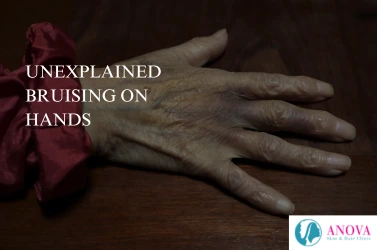
It is disturbing to see bruises on hands that have no explanation. You get up, or test your hands, and find purplish or yellowish spots, which you cannot account for. Bruises are a normal phenomenon in the lives of many people, which may have been a result of a small bump or a chance of knocking. But once bruises have no evident cause, it can be an indication of another underlying health problem. It is important to know the cause of unexplained bruising of hands, not only on your skin but also on your health in general. This paper examines the underlying reasons, the possible warning signs, and the practical measures to ensure that your hands and health are safe.
What Is Unexplained Bruising on Hands?
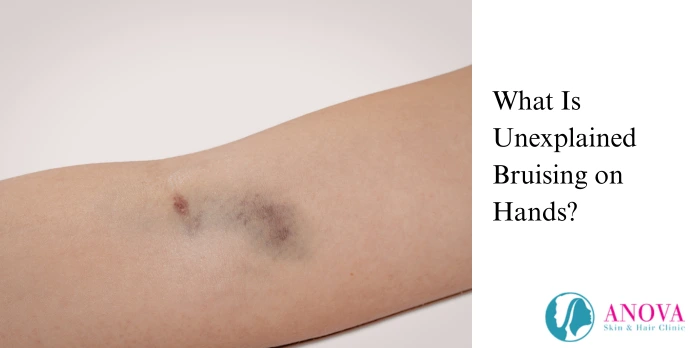
Unexplained bruising on the hands is a bruise or a discolouration that occurs without any known trauma or injury. These marks appear to occur randomly, unlike those that are a result of bumps or accidents, in the case of normal bruises. Although occasional bruising is not harmful, recurrent or severe bruising on the hands without a clear cause of the bruising could be an indication of underlying health conditions that cannot be overlooked.
Bruising is the rupture of small blood vessels called capillaries and the spillage of blood into the tissue. The trapped blood produces the characteristic bluish, purplish, or yellowish marks. Bruises usually develop color during healing, passing through dark purple, green, and dissipating. Most bruising is harmless, but still, the onset of bruising without any apparent trauma should be noted.
Age, lifestyle, nutrition, and medical history are all some of the factors that determine the likelihood of one experiencing unexplained bruising on the hands. The most insignificant trauma, which might not have been noticed, can leave visible traces because of sensitive skin or weak capillaries. One needs to know the difference between harmless bruising and bruising that indicates more serious issues.
Why Do You Get Unexplained Bruising on Your Hands?
Hand bruising without any explained reasons may be caused by an insignificant daily routine or even serious diseases. Being aware of the possible causes makes you take a decision on whether you need medical attention or not.
Minor Injuries You Didn’t Notice
In some cases, the smallest influences may cause bruises on the hands. Even the day-to-day activities, such as typing, lifting, or bumping into furniture, may result in small tears in the capillaries under the skin. Due to the minor character of such injuries, you might not experience any pain at that moment, but the bruises might manifest hours or even a day later. Major injuries in elderly people tend to result in bruising because the skin is thinner and the fat is less.
The small, repeated injuries might not cause any notice; however, together with weak skin or other risk factors, they might result in recurrent, inexplicable bruising of the hands. The identification of these patterns allows for distinguishing between harmless bruising and something more serious.
Aging and Thinning Skin
The skin of elderly people becomes thin in nature, without elasticity, and without the fat that acts as a cushion to the blood vessels. This predisposes the hands, especially to bruising. The elderly person might experience increased bruising that is less painful. A normal aging process does not necessarily mean that there is a severe issue, but when there is sudden, unexplained bruising on the hands or extensive bruising on the hands, a professional evaluation should be conducted to eliminate certain underlying conditions.
Production of collagen that supports the walls of blood vessels is also influenced by aging. Even slight pressure or movement with weaker capillaries may cause bruising to be seen. This is the reason why more spontaneous bruises are noticed among older people as opposed to young people.
Vitamin Deficiencies
Eating is crucial in keeping the skin healthy and having healthy blood vessels. The hands may be exposed to bruising due to a deficiency of essential vitamins and minerals.
- Vitamin C: Vitamin C is required in the production of collagen and makes blood vessels strong. This weakness may render them weak, hence prone to bruising.
- Vitamin K: Vitamin K is essential in the clotting of blood, and when the levels become too low, excessive bleeding may occur even after minor traumas.
- Iron: Iron deficiency lowers the number of red blood cells, and this may be the cause of bruises on the hands and other body parts without any reason.
Bruising can be prevented by eating a balanced diet that is high in the consumption of fruits, vegetables, lean meat, and leafy greens. In certain instances, supplementation might be required, particularly when the deficiencies are confirmed by a health practitioner.
Medications That Increase Bruising Risk
A number of medications may lead to bruising of the hands by inducing the effect of blood clotting or weakness of blood vessels. Common culprits include:
- Aspirin and warfarin are examples of blood thinners.
- NSAIDs such as ibuprofen and other painkiller drugs.
- Long-term corticosteroid use
In case of new bruising when you start taking any medication, then you should consider consulting your doctor. It is possible to reduce the risk of bruising by adjusting medication under the supervision of a professional who will not negatively affect your overall health.
Intense Physical Activity or Muscle Strain
Bruising on the hands may develop as a result of vigorous exercise, repetition of hand movements, or heavy lifting that may result in micro-tears in the capillaries. Bruises may occur without any apparent trauma, even during such activities as weightlifting or sports, which are considered to be healthy in general.
This kind of bruising is not normally accompanied by any serious soreness and disappears in several days. But in case bruises come up frequently or are excessively big, then this can be a sign of overexertion or other pre-existing conditions to be considered.
Underlying Blood or Clotting Disorders
Otherwise, unidentified bruising of the hands can be evidence of blood or clotting system disorders. Low platelet count, hemophilia, von Willebrand disease, or immune thrombocytopenia (ITP) may cause spontaneous bruising. Such disorders are subject to professional analysis, and timely diagnosis is essential to complicate things.
Medical Conditions Affecting Skin and Blood Vessels
The skin is more susceptible to bruising due to other medical conditions that are systemic:
- Liver disease has the potential to lower the level of clotting factors, which poses a risk of bruising.
- Platelet functions are susceptible to kidney disorders.
- There are genetic disorders that make the blood vessels weak, leading to spontaneous bleeding.
This is because persistent or severe bruising should always be examined to ascertain whether there is any underlying serious condition that can be identified early.
When Is Unexplained Bruising on Hands a Warning Sign?
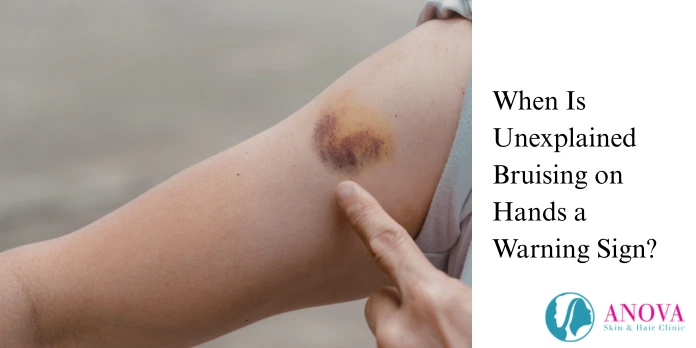
Occasional bruising is a normal process, but there are some symptoms that should make a person seek medical care. Large, painful, or frequent bruises, bruises that seem to have no obvious cause or bruises that are accompanied by other signs like fatigue or excessive bleeding are to be noted.
Being aware of such warning signs will enable you to consult a dermatologist or a medical professional early enough. Complications can be prevented, and underlying conditions can be tackled at its first stages before they deteriorate.
Who Is More Likely to Experience Unexplained Bruising on the hands?
The old age, gender, lifestyle, or medical history of certain individuals predisposes them to unexplained bruising of the hands. Elderly people and those who have thinner skin or weaker capillaries may experience more frequent bruising. Women can easily bruise, especially because of the hormonal changes, and also because of having skin that is easy to bruise.
Poor diet, smoking, and alcohol abuse are lifestyle habits that may lead to weakness of blood vessels and bruising. Those on some drugs or with some form of history of blood disorders are also susceptible. The knowledge of these risk factors is useful in the prevention, measures, and early treatment.
How Is Unexplained Bruising on Hands Diagnosed?
Unexplained bruising on the hands requires a proper diagnosis that helps determine the cause of the bruising. A complete examination will be done by a dermatologist or medical practitioner and will include:
- Examining the bruises in terms of size, color, and pattern.
- Examining past medical history and current drugs.
- Performing blood tests to assess the level of platelets, clotting factors, and nutritional deficiencies.
Proper diagnosis is important as different causes of treatment can be different, such as minor trauma, nutrient deficiency, medication-related issues, and medical conditions.
How to Treat Unexplained Bruising on Hands

The method of treatment is based on the etiology of the bruising. Minor bruises do not need any medical treatment, but in some cases, it may involve severe bruises that need medical care.
Short-term treatment involves ice treatment of the affected part, hand rest, and raising of the hands to decrease swelling. The supplements or vitamin-rich foods enhance the strength of blood vessels. In case drugs cause bruising, the physicians can change dosages or prescriptions. In more complicated ones, there are dermatological interventions in clinics such as Anova that can be performed to heal the skin and decrease the recurrence.
How to Prevent Unexplained Bruising on Hands
The prevention strategies are aimed at the protection of the hands, the healthy blood vessels, and the general health.
- Wear gloves or padding on your hands when you are doing something.
- Take a balanced diet that is rich in vitamins C, K, and iron.
- Track drugs with your doctor to decrease the risk of bruising.
- Consistently examine your skin and health in general to identify the problems at the initial stage.
With these measures, you will reduce the chances of bruising and have strong and healthy hands.
Why You Should Not Ignore Unexplained Bruising on Hands
Overlooking the unexplained bruising on the hands may postpone the diagnosis of some health conditions that may be very dangerous. Bruises can be a sign of unidentified nutritional deficiencies, clotting disorders, or any other health conditions. Proper consultation will ensure that treatment is done in time, minimize health risks, and preserve the integrity of the skin.
Final Thoughts on Unexplained Bruising on Hands
Pains on hands, which do not have any explanation, are usually harmless but in rare cases, may be signs of underlying health problems. Its causes, risk factors, and preventive strategies will allow you to take a proactive step to ensure that your skin and health are safe. A visit to a specialist such as Anova Skin & Hair Clinic will result in adequate diagnosis, treatment, and peace of mind. You should not overlook the messages your body communicates to you- healthy hands depict healthy living.
FAQs:
What is the cause of bruising of the hands without injury?
Weak blood vessels and small, uninspected trauma, or some drugs, could cause unexplained bruising on the hands. It may also be caused by aging skin and medical conditions related to clotting. It may be necessary to have a professional assessment of the cause.
What should make one worry about hand bruising?
Consult a doctor in case bruises are frequent, unusual in size, or appearance. Thromboendarterectomy is associated with bruising and fatigue, along with excessive bleeding or any other symptoms that are urgent and require attention. Early diagnosis assists in identifying health problems.
What is the reason why I have purple bruises on my hands?
Purple bruises on the hands are a result of the fact that small blood vessels are ruptured and leak blood underneath the skin. They may manifest themselves as a result of minor trauma, vitamin deficiencies, or blood-clotting diseases. The persistent purple bruises must be examined by a medical professional.
Easy bruising: Does this indicate diabetes?
Easy bruising is not a clear symptom of diabetes, but it may develop in cases of long-term influence of blood sugar on the condition of blood vessels. More common causes include other factors such as medications, aging, or a deficiency of vitamins. A doctor's visit would assist in establishing the actual cause.