
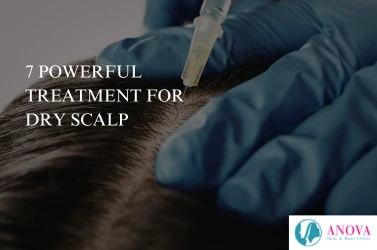
A dry scalp is not only uncomfortable, but it is also itchy and embarrassing. It can lead to flaking, erythema, and daily life and hair health issues in daily life. The causes and symptoms should be known to establish a good solution. In this article, we discuss effective methods of treating dry scalp that have been proven to be effective both as home remedies and professional treatments that replace moisture to the scalp, calm down inflammations, and prevent future occurrences. Regardless of the level of mild dehydration or chronic pain, these tips will help you to have a healthier and well-nourished head.
What Is Dry Scalp? Understanding the Root of the Problem
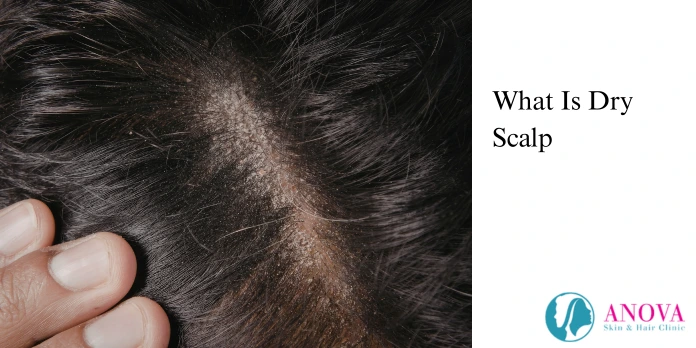
Dry scalp is the lack of natural moisture on the scalp, causing it to be itchy, tight, and flaky. Dry scalp is often confused with dandruff by many people, resulting in the wrong products. It is important to know the difference so that the appropriate treatment for dry scalp can be chosen. Here we will discuss how your scalp becomes dry, how to differentiate between the scalp and dandruff, and the symptoms that you cannot ignore.
What Happens When Your Scalp Loses Moisture
In case your scalp is deprived of moisture, the skin is dry and sensitive. This dryness contributes to tightness, irritation, and small flakes that may be scattered in the hair strands. Lack of proper care can cause inflammation of the scalp and make it more susceptible to infections. Regular application of dry scalp treatment will replenish the lack of moisture and balance of natural oils, and will avoid the long-term damage of the scalp.
Dry Scalp vs Dandruff – Why It Matters for Treatment for Dry Scalp
Dry scalp is commonly confused with dandruff. Dry scalp is caused by a lack of moisture, and dandruff is normally caused by excess oil and fungi. Applying anti-dandruff products to a dry scalp can aggravate irritation. Diagnosing the disorder properly makes your treatment of dry scalp safe and effective.
Common Symptoms You Shouldn’t Ignore
Characteristics of dry scalp are itching, small dry flakes, redness, and tightness. Dryness may cause irritation and even shedding of hair, which is chronic. An early identification of these enables you to take the appropriate remedy for a dry scalp before the situation becomes serious.
What Causes Dry Scalp? (And Why Most Treatments Fail)
There are a variety of causes of dry scalp, such as environmental factors, hair care, lifestyle, and medical conditions. So many are unable to get relief since they do not treat the cause of the problem. It is imperative to know these reasons to be able to choose a good remedy that really works to treat dry scalp.
Harsh Hair Products and Overwashing
Sulfate-containing shampoos, frequent washing, and strong styling agents deprive the hair of natural oils. This deprivation of the necessary moisture leaves the scalp dry, itchy, and scaly. Without addressing this cause, many individuals explore random remedies without addressing this cause. The first thing that should be done to treat dry scalp is to switch to hydrating, mild products.
Weather and Environmental Factors
The scalp can become dehydrated due to cold winters, dry indoor heating, and over-exposure to the sun. These reasons imply the need to safeguard the scalp using moisturizing products. Effective treatment of dry scalp is assisted by proper environmental care and avoidance of flare-ups.
Dehydration and Lifestyle Habits
Scalp health is affected by lifestyle decisions. Dryness is caused by low water intake, poor nutrition, chemical treatments, and overheated styling. Dry scalp treatment is a holistic approach to treatment that involves enhancing hydration, nutrition, and preventing harmful habits.
Underlying Medical Conditions
There are instances where dry scalp is caused by eczema, psoriasis, or fungal infection. In such cases, home remedies might not be sufficient. With an appropriate diagnosis, the cure of dry scalp will treat the underlying problem without any risk or ineffectiveness.
7 Powerful Treatment for Dry Scalp That Actually Work
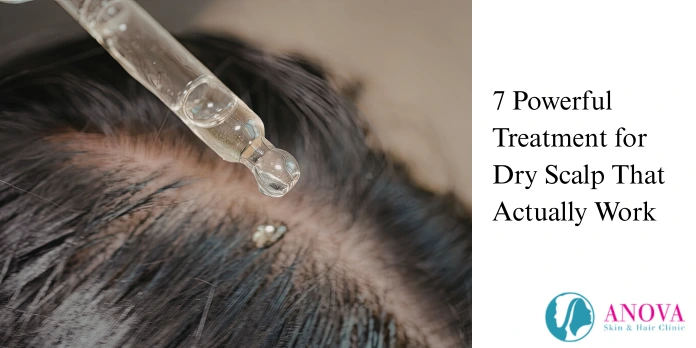
The combination of home care and lifestyle changes, along with professional intervention, is the key to effective treatment of dry scalp. These are seven sure measures that cover both dryness.
1. Switch to a Gentle, Hydrating Shampoo
Mild shampoos that are sulphate-free aid in sustaining natural oils and cleaning. Severe shampoos exacerbate dryness. A basic step of dry scalp treatment is switching to a soft, moisturizing shampoo.
2. Use Natural Oils to Restore Scalp Moisture
The argan, coconut, and jojoba oils also penetrate the head to moisturize and calm the irritation. Frequent oiling of roots enhances strength, enhances elasticity, and minimizes flaking. The natural method is a complement to other treatment methods and offers safe treatment for dry scalp.
3. Apply Aloe Vera for Instant Soothing Relief
The aloe vera has antioxidants and enzymes, which soothe irritation, minimize inflammation, and seal moisture. Its gel is fast-absorbing and serves as a natural remedy for dry scalp, particularly on a sensitive or irritated scalp.
4. Avoid Hot Showers and Reduce Hair Washing Frequency
Oils are washed off more easily by hot water and frequent washing than by lukewarm water. Washing less often will retain the natural moisture, which will help with any kind of dry scalp plan.
5. Stay Hydrated and Improve Your Diet
Water, Omega-3 fatty acids, and foods rich in vitamins are hydrating and nourish the scalp internally. Internal care enhances the results of external treatment for dry scalp.
6. Use Medicated Treatments When Needed
Relentless dryness or illness might necessitate medicated shampoos containing ketoconazole, salicylic acid or corticosteroids. These therapies are aimed at the root causes and offer safe and effective treatment for the dry scalp.
7. Seek Professional Treatment for Dry Scalp for Long-Term Results
Serious or prolonged dryness is particularly worth professional assessment. Professional treatment of dry scalp is the most credible one since clinics offer individualized treatment and high-quality diagnostics.
Home Remedies vs Professional Treatment for Dry Scalp – What Works Best?
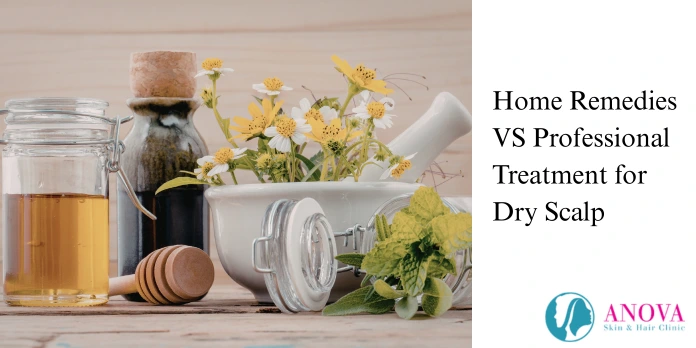
Mild dry scalp may be treated in most cases by home remedies, but chronic or severe cases tend to be treated by professionals. Being aware of when DIY treatments are applicable and when to consult an expert will guarantee the best treatment of dry scalp.
When Home Remedies Are Enough
In mild dryness, mild shampoos, natural oils such as coconut or jojoba, and hydration may replenish the moisture and soothe the itch. Even simple lifestyle changes, such as not taking hot showers and chemical treatments, are helpful. Home care is a good initial approach in the treatment of dry scalp, as seasonal dryness is usually responsive to these techniques.
When DIY Treatments Stop Working
When the dryness continues with regular home care, this could be a sign of a medical condition, eczema, psoriasis, or fungal infection. Home remedies may only worsen irritation or flaking at this stage. It is important to understand when DIY techniques cannot be effective in treating dry scalp.
Why Professional Diagnosis Matters
A dermatologist is able to correctly determine the cause of dryness and prescribe specific treatments. Medical solutions can be seen in medicated shampoos, topical corticosteroids, and scalp treatments. Home care with professional advice will guarantee permanent relief and a healthier head.
Case Example
One patient with chronic scalp dryness did not get results with home remedies. After visiting Anova Skin & Hair Clinic, a personalized program consisting of a medicated shampoo and a moisturizing therapy helped to heal the scalp in a few weeks. This shows the importance of professional treatment for dry scalp when home remedies aren’t enough.
When Should You See a Skin Specialist?
It is important to know when to seek professional help. Mild dryness may be treated at home; however, there are some signs that it requires professional treatment of the dry scalp.
Persistent Itching and Flaking
Itch and flaking do not respond to home care; hence, it may be a sign of an underlying condition. Special advice will help to avoid irritation and guarantee correct treatment.
Redness, Pain, or Inflammation
Infection or inflammation is indicated by red or sore patches. Home treatment might not suffice, and medical treatments offer safe and effective relief.
Hair Thinning or Hair Loss Concerns
Hair follicles could be weakened by a dry scalp in the long run, resulting in thinning. Professional treatment helps in restoring the scalp and hair growth.
Advanced Treatment for Dry Scalp at Anova Skin & Hair Clinic
To provide lasting relief, clinics such as Anova Skin & Hair Clinic provide specific solutions that are designed according to the needs of your scalp. Professional treatment is an integration of complex diagnostics and effective treatment to help eliminate the cause of dryness.
Personalized Scalp Diagnosis
Scalp condition is assessed by experts to determine dehydration, fungal infections, or skin disorders. Proper diagnosis can lead to specific treatment of dry scalp.
Medical-Grade Treatments
Topical serum, professional moisturizing therapies, and medicated shampoos restore hydration and alleviate irritation. These are more reliable and fast-acting in comparison to over-the-counter treatments.
Expert Dermatologists You Can Trust
The progress is tracked, treatments are changed, and home care advice is given by experienced dermatologists. This guarantees a secure, long-term remedy for dryness and flaking.
How to Prevent Dry Scalp from Coming Back
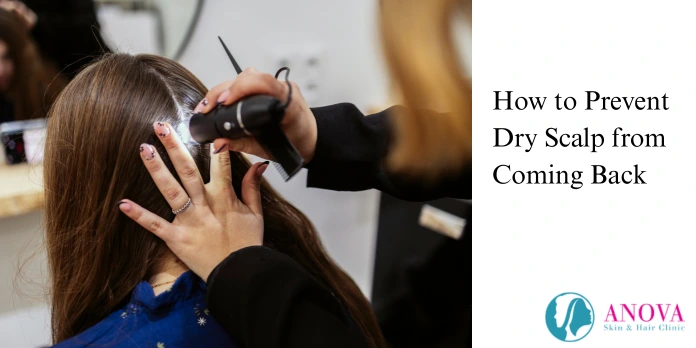
Prevention complements treatment. Regular care, the right products, and healthy routines keep the scalp hydrated, and dryness does not recur.
Build a Scalp-Friendly Hair Care Routine
Apply soft shampoos, do not use hot water, and use moisturizing treatments to balance it. Periodic treatment decreases the necessity of violent treatment.
Choose the Right Products for Your Scalp Type
Any treatment of dry scalp is guaranteed to be effective in the long run once shampoos, conditioners, and oils are chosen that work well with your scalp.
Maintain Hydration and Healthy Lifestyle Habits
Consume adequate water, eat foods rich in nutrients, and do not overdo the use of heat styling. Internal health has a strong impact on the condition of the scalp and supplements professional care.
Final Thoughts: Choosing the Right Treatment for Dry Scalp
Having a dry scalp does not only mean being uncomfortable, but it may also affect hair health and self-esteem. The cure of dry scalp is a combination of knowledge of the cause, regular attention, and expert advice. Such clinics as Anova Skin & Hair Clinic offer tailored care, innovative treatments, and professional follow-up to ensure long-term relief. Combat dryness at the first stage and make yourself comfortable, confident, and healthier.
FAQs:
What is the best treatment for dry scalp?
The most appropriate treatment of dry scalp is based on the cause, but most commonly involves sulfate-free, gentle shampoos, natural oils, and adequate hydration. Home remedies are effective in mild cases, and chronic dryness might necessitate medicated products. Long-term management of dry scalp is attained through professional treatment which focuses on the cause of the problem.
How to permanently get rid of a dry scalp?
In order to eliminate dryness permanently, you must find out and treat the cause, be it dehydration, harsh products or a skin problem. It is necessary to maintain the scalp, have the right diet, and hydrate. Professional management of dry scalp in most instances prevents recurrence and gives long-term effects.
Which hair treatment is best for a dry scalp?
Dry scalp is treated with hydrating oils and moisturizing scalp masks like aloe vera, oil therapy, and moisturizing masks. Medicated shampoos can be required, such as dandruff or eczema. Home care and professional treatment of dry scalp can be combined to give the best and quickest results.
What is the main cause of dry scalp?
Lack of moisture is the primary cause of dry scalp, which can be a result of overwashing, severe hair products, weather fluctuations, or dehydration. In other instances, it could be due to underlying conditions such as eczematous or psoriatical. It is important to determine the exact cause to select the appropriate treatment of dry scalp and avoid future problems.