
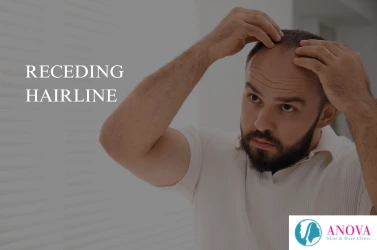
One of the most popular hair issues that occurs in both men and women is a receding hairline. It usually starts slowly, with a little thinning on the temples or a forehead that seems broader than usual. These changes are slow, and hence most people fail to notice them immediately.
The hairline may also keep on receding over time, making the change more visible. This may impact the general appearance and, in some cases, lower confidence or self-esteem. Awareness at an early age is relevant in taking care of hair.
Early detection of a receding hairline will enable you to act in good time. Hair loss can be slowed down and healthy hair supported with the right care, lifestyle modifications, and directions. This article will describe the symptoms, causes, and hair treatments that are available in simple terms to make informed choices.
What Is a Receding Hairline?
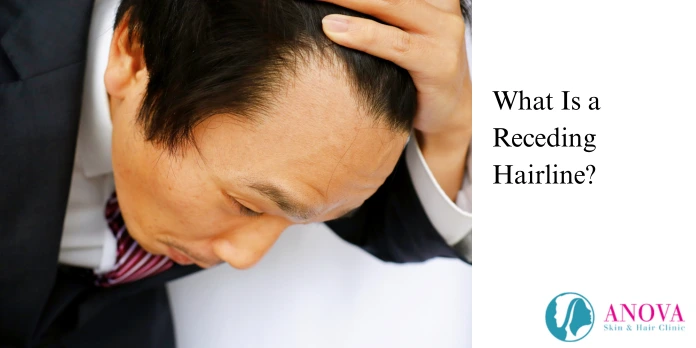
A receding hairline occurs when the scalp hair on the frontal part moves backward. Rather than remaining in the same place, the hairline begins to thin and recede from the forehead, and in particular around the temples.
This is not something that occurs overnight. It normally progresses in months or years. Some people may experience mild recession that stops on its own, while others may notice continuous hair loss if the underlying cause is not addressed.
In men, a receding hairline often forms an “M” shape. In women, it usually appears as overall thinning near the front rather than a sharp recession.
Early Signs and Symptoms of a Receding Hairline
Recognizing the early signs of a receding hairline helps you take action before hair loss becomes advanced.
Common symptoms include:
- Hair thinning at the temples or forehead
- A hairline that appears higher than before
- An uneven or M-shaped hairline (more common in men)
- Increased hair shedding during washing or brushing
- A wider forehead or visible scalp near the hairline
These symptoms usually start gradually, which is why many people ignore them in the early stages. Paying attention to small changes can make a big difference in long-term results.
Causes of a Receding Hairline
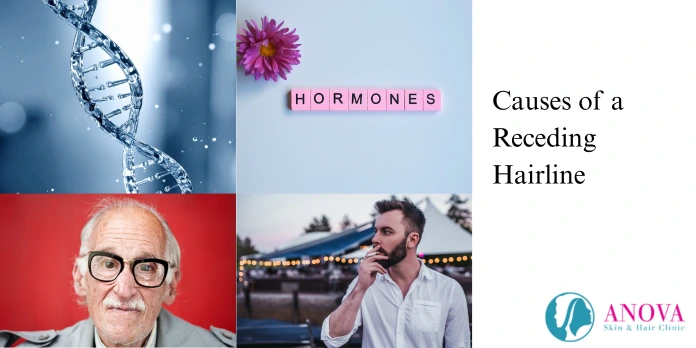
Hairline recession is not caused by one single factor. In the majority of situations, several factors are combined. It is important to know the factors that have led to a receding hairline so that you have a good prevention or treatment strategy.
1. Genetic Factors
The most prevalent cause of a receding hairline is genetics. If hair loss runs in your family, you may be more likely to experience it yourself. Genetic hair loss is linked to how sensitive your hair follicles are to certain hormones.
Such hair loss normally has a predictable pattern and may begin in the late teens or early twenties.
2. Hormonal Changes (DHT)
Dihydrotestosterone (DHT) is a hormone that makes a significant contribution to hair loss. In some, the hair follicles are sensitive to DHT, and as a result, they reduce in size with age. When follicles become smaller, hair becomes thin and, at some point, totally stop to grow.
This is one of the biological causes of hairline recession in men due to this hormonal effect, and some women are also affected.
3. Aging
With age, hair growth is slowed down by nature. Hair is becoming finer and new hair grows at a slower rate. The aging factor alone might not be a serious cause of hair loss, but it might accelerate an already receding hairline.
4. Stress and Lifestyle Factors
The stress levels are very high and may interfere with the cycle of hair growth. Inadequate sleep, improper diets, smoking, and physical inactivity may make hair roots weak and promote hair loss.
Stress in the long term is not the direct cause of baldness, but may accelerate the rate of receding hairline.
5. Hairstyling and Hair Care Habits
Ponytails, buns, or braids are tight hairstyles that tug at the hairline, causing traction hair loss. Overheating of hair, use of chemicals, and other rough hair product treatments also wear out the hair follicles in the long run.
Receding Hairline in Men vs Women
A receding hairline affects men and women differently.
In men:
- Hair usually recedes at the temples first
- An M-shaped hairline is common
- Hair loss may progress to the crown
In women:
- Hairline recession is more subtle
- Thinning usually occurs across the front
- Hormonal changes play a larger role
Understanding these differences helps set realistic expectations for treatment.
How to Stop a Receding Hairline Naturally
Before turning to medical means to deal with the problem of hair loss, many individuals seek natural solutions to delay the process. Although the natural method will not restore genetic hair loss fully, it will help maintain scalp health and prevent the progression.
1. Scalp Care and Hair Hygiene
Maintaining the scalp clean is a way of avoiding the accumulation that may block hair follicles. Scalp massages should be done gently, as this can enhance blood flow to the scalp, resulting in better hair growth.
2. Diet and Nutrition for Hair Health
Nutrients such as protein, iron, zinc, and vitamins are required to grow hair. A healthy diet helps to nourish the hair and minimize breakage.
3. Stress Management
Managing stress through exercise, meditation, and proper sleep can help maintain a healthy hair growth cycle.
4. Avoiding Hair Damage
Avoid tight hairstyles, limit heat styling, and choose mild hair care products to protect your hairline from unnecessary damage.
Receding Hairline Treatment Options
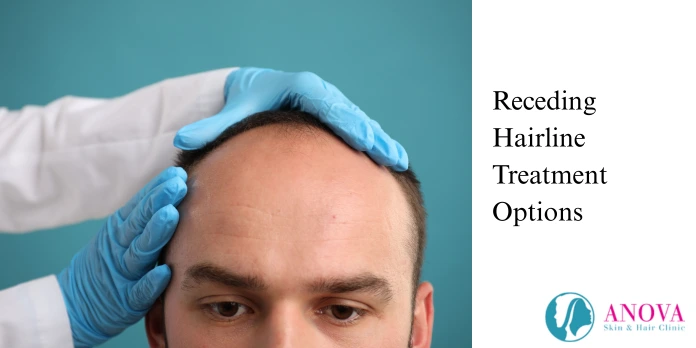
Once such natural methods and lifestyle are not sufficient, the professional receding hairline treatment can reduce the speed of the hair falling and preserve the remaining hair. The decision to use treatment is based on the cause of hairline recession, its level of progression, and the health of the hair. Timely treatment tends to give superior and more evident outcomes.
1. Home-Based Treatments (Natural Products and Oil Massage)
They are treatments that are usually applied at the initial stages of receding hairline and they are simple to do at home. They assist in maintaining the hair follicles, enhance the condition of the scalp and they could reduce subsequent thinning with constant use over time.
Home-based therapies are effective in mild recession of the hairline and need regular and long-term follow-up to sustain the outcome. Although they do not grow new hair follicles, they may assist in preserving the current ones and enhancing the health of the hair overall.
2. Prescription Medications
Prescription medications are usually prescribed when the loss of hair is associated with hormones. These are because of their mechanism of effect, which is to treat the root of the recession of the hairline instead of merely enhancing the looks of the hair.
These medicines tend to have to be supervised by a doctor and used regularly in order to be effective. By initiating them at an early age, they can be slowed down, and the hair density preserved.
3. Clinical and Advanced Treatments
Clinical treatments are considered when hairline recession is more noticeable or continues despite other methods. These options are typically tailored to individual hair loss patterns and scalp condition.
Advanced treatments can provide longer-lasting and more visible improvement, especially in moderate to advanced cases. A consultation with a hair specialist helps determine the most suitable approach.
Can a Receding Hairline Grow Back?
The stage of hair loss and the cause of the receding hairline determine whether the hairline can be fixed or not. Early recession of the hairline stands a better chance of treatment with special care and treatment. Severe hair loss can be treated medically or clinically.
Early action is always more effective than waiting.
When to See a Hair Specialist or Doctor
You should consider seeking professional advice if:
- Hair loss is sudden or excessive
When you notice that your hair is shedding very fast, that you are shedding hair visibly within a short duration, or that you are losing hair in large quantities, it can be a sign of stress, hormonal imbalance, or nutritional deficiency that requires medical care. - The scalp shows redness, itching, pain, or irritation
Constant scalp pain, swelling, or flaking may indicate internal scalp diseases or infections that disrupt the normal growth of hair and ought to be effectively examined.
With the help of a specialist, it is possible to determine the precise cause and prescribe an individual treatment regimen.
Conclusion
The receding hairline is a frequent issue, and it may not necessarily burden and may not feel permanent. Knowing the reasons and the initial symptoms, it is more convenient to take some measures at the right time. Timely knowledge can help you to preserve the hair that you already have and delay further loss of hair.
Whether through lifestyle improvements, home-based care, or professional guidance, there are options available at every stage. The difference between the appropriate selection of the approach, depending on the needs of the individual, can be significant. Early action and consistency are the most promising for healthier hair and increased confidence.
FAQs:
Can a receding hairline grow back?
In certain instances, a receding hairline may be improved, particularly when one notices it at a tender age. Hair can be regrown in case it is lost because of stress or other lifestyle factors, or other temporary conditions, with proper care. However, genetic hairline recession is typically a permanent process, although the process can be slowed down with appropriate treatment.
Is Gen Z balding faster?
Many Gen Z individuals appear to experience hair loss earlier, but this is often linked to stress, poor diet, lack of sleep, and lifestyle habits rather than genetics alone. Increased awareness and social media exposure may also make hair loss seem more common. Early care and healthier routines can help manage the issue.
How do I stop my hairline from receding?
Stopping a receding hairline depends on identifying the cause. A healthy lifestyle, stress management, avoiding tight hairstyles, and regular hair care may prevent the progression. The first step is important in saving current hair.
How to regrow a frontal hairline?
In some cases, the frontal hairline can be regenerated; however, in the majority of cases, it can only be done by means of hair follicles that are still active. The initial case of thinning can be treated through appropriate scalp care and treatment, but in severe cases involving the loss of the hairline, it is often necessary to seek professional help. A specialist can help determine realistic expectations.