
Vaping is one of the current trends that has gained popularity among individuals in the last couple of years, particularly those who are attempting to quit smoking or those who think that the use of e-cigarettes is safer than using conventional cigarettes. However, there is another question that is beginning to be raised by a large audience now, which is: Does vaping cause hair loss?
Hair loss may occur due to various factors such as genetics, stress, hormonal variations, and lifestyle practices. Nicotine consumption in the form of vaping is one of the lifestyle aspects that is increasingly being noticed. Although in some of the cases, vaping does not necessarily lead to baldness, some studies show that nicotine and some chemicals in e-cigarettes can harm your hair follicles and scalp.
By learning how vaping affects the body, and more importantly, the growth of hair, you are likely to make better judgments regarding your hair and health in general.
What Is Vaping?
Before discussing does vaping cause hair loss, it’s important to understand what vaping actually is.
Vaping is the practice of using electronic devices, also known as e-cigarettes or vape pens, that heat a liquid (also known as e-liquid or vape juice). This liquid typically has nicotine, flavorings, and other chemicals. At high temperatures, it vaporizes and is inhaled by the user.
Key points about vaping
1. Nicotine content
The majority of vaping liquids are comprised of nicotine, the addictive substance present in traditional cigarettes.
2. Chemical exposure
In addition to nicotine, vape liquids can have chemicals that can influence the body, such as the skin and scalp.
3. Perception of safety
Most individuals consider vaping a safer way to smoke, but studies still show that it can have negative health effects.
Nicotine and chemicals find their way into the bloodstream due to vaping, and as a result, they have the potential to affect hair health and hair growth.
Does Vaping Cause Hair Loss?
The short answer to the question “Does vaping cause hair loss?” is that vaping could cause a loss of hair or shedding of the hair in some people. Even though vaping is not the direct cause of permanent baldness, the chemicals involved in this process, particularly nicotine, may have an impact on the normal operation of the hair follicles.
The growth of healthy hair requires adequate blood flow, nutrients, and oxygen in the scalp. Disruption of these processes may cause weakening of hair follicles, and this can result in slower hair growth and a greater fall of hair with time.
How vaping may contribute to hair loss
1. Reduced blood flow to the scalp
Nicotine can narrow blood vessels, which reduces blood flow to the scalp. Hair follicles rely on blood to receive oxygen and nutrients. When this supply decreases, follicles may weaken and produce thinner hair strands.
2. Increased oxidative stress
Some vape chemicals can cause oxidative stress to the body. This may cause destruction of the cells of the hair follicle and alter their capacity to produce healthy hair, and this may cause hair thinning.
3. Disruption of the hair growth cycle
Hair is known to grow in natural cycles with growth, rest, and shedding periods. Nicotine can disrupt this cycle and force more hair into the shedding stage prematurely, causing hair fall.
In simple terms, when hair follicles do not receive enough nutrients and support, hair growth may slow down and hair may shed more easily.
How Nicotine Affects Hair Follicles
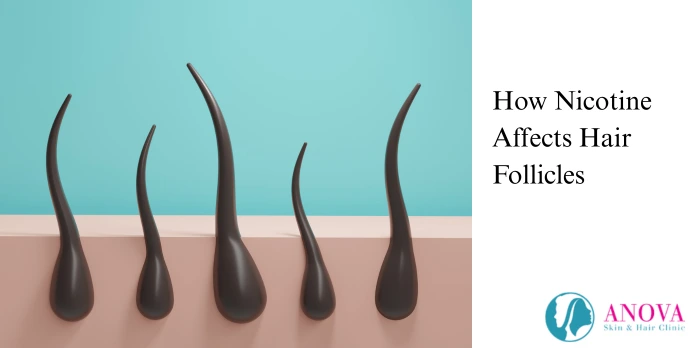
The short answer to the question “Does vaping cause hair loss?” is that vaping can lead to hair thinning or hair shedding among some people. Although inhaling may not be directly linked to permanent baldness, the chemicals used in e-cigarettes, in particular, nicotine, may influence the normal operation of hair follicles.
The proper growth of hair requires good blood circulation, good nutrients, and adequate availability of oxygen to the scalp. In case these crucial elements are minimized, hair follicles can be weakened. With time, these weaker follicles may result in slower hair growth, finer hair strands and more hair fall.
How vaping may contribute to hair loss
1. Reduced blood flow to the scalp
Nicotine has the ability of narrowing blood vessels and may therefore decrease blood supply to various areas of the body, including the head. To grow healthy hair, hair follicles depend on this blood flow to get oxygen and other nutrients required to support healthy hair growth.
Key points:
- Lower oxygen supply: When blood circulation decreases, hair follicles receive less oxygen, which can weaken their ability to produce strong hair strands.
- Reduced nutrient delivery: Important nutrients such as vitamins and minerals may not reach the follicles efficiently.
- Weaker hair growth: Over time, limited nourishment can lead to thinner hair strands and slower hair growth.
2. Increased oxidative stress
Certain chemicals in vape smoke can augment oxidative stress in the body. Healthy cells, including those that support hair follicles and keep the normal growth of hair, can be damaged by oxidative stress.
Key points:
- Cell damage: Free radicals produced during oxidative stress may harm hair follicle cells.
- Scalp inflammation: Increased oxidative stress can sometimes trigger mild inflammation around hair follicles.
- Weak hair structure: Damaged follicle cells may struggle to produce strong and healthy hair strands.
3. Disruption of the hair growth cycle
The hair is developed in natural periods called the hair growth cycle, which involves growth, transition, and shedding. Nicotine can disrupt this process by accelerating the shedding stage of more hair follicles than normal.
Key points:
- Early shedding phase: More hair may enter the resting stage sooner than normal.
- Imbalance in hair growth: Hair may fall out faster than new hair grows.
- Visible hair thinning: Over time, this imbalance can lead to noticeable thinning or increased hair fall.
Vaping vs Smoking: Which Is Worse for Hair?
A good number of individuals move to vaping since they think that it is not as dangerous as smoking. Although vaping can be less harmful than the use of traditional cigarettes because of the number of harmful chemicals it contains, it is not completely risk-free. When it comes to hair health, both smoking and vaping can still affect the scalp and hair follicles, mainly due to nicotine and other chemical substances.
Smoking and hair loss
Most of the harmful chemicals that are present in traditional cigarettes may damage hair follicles and supply less oxygen to the scalp. This decreased supply of oxygen and other nutrients could, over time weaken the follicles, which will then find it difficult to generate strong and healthy hair. As a result, hair can become thin and more likely to shed.
Vaping and hair health
Even though vaping is generally less harmful to the body in comparison to cigarette smoking, it still introduces the body to nicotine and some other harmful chemicals. Nicotine is also able to cause a limited blood supply to the scalp, and this could be limiting the nutrients to the hair follicles. The absence of sufficient support to follicles can slow down the growth of hair and weaken strands.
Key takeaway
Smoking and vaping are both harmful to the health of hair due to the effects of nicotine and poor blood circulation. Although vaping can be regarded as less dangerous than smoking, it still could cause the thinning of hair if the nicotine exposure persists in the long term.
Can Hair Grow Back After Quitting Vaping?
When you are worried about whether vaping causes hair loss, the good news is that there are chances that you will be able to gain hair after giving up vaping. Once the exposure to nicotine is discontinued, the body will be able to slowly start recuperating, and this could rebuild the healthy growth of the hair.
Hair follicles happen to be very durable and tend to recover their power after the damaging substances are minimized or eliminated. With an improved scalp circulation and a better delivery of nutrients to the follicles, the process of growing hair can gradually be restored.
Factors that influence recovery
1. Duration of vaping
The duration of time one has been a vaper may affect the speed at which the scalp is healed. Individuals with a longer history of vaping might find that it becomes slow to restore the normal functions of hair follicles and to have healthy hair growing again.
2. Overall health and nutrition
The growth of hair is also subject to good health. The right nutrition with the necessary elements like protein, iron, zinc, and vitamins can assist in stronger hair growth and help follicles to recover better.
3. Genetics
Genetics also plays an important role in hair health. Some individuals may already have a genetic tendency toward hair thinning or hair loss, which can influence how quickly or fully hair recovers.
In most situations, scalp health, a healthy diet, and exclusion of nicotine would benefit the hair to grow healthier in the long term.
Tips to Protect Your Hair from Nicotine Damage
If you are concerned about whether vaping causes hair loss, there are several steps you can take to protect your hair and support healthier hair growth. Making small lifestyle changes can help improve scalp health and strengthen hair follicles over time.
1. Reduce or quit nicotine use
One of the most effective methods of promoting healthy hair growth is quitting vaping or reducing the consumption of nicotine. As the exposure to nicotine reduces, there is a possibility that the blood flow to the scalp can increase, and the hair follicles will be able to get more oxygen and nutrients.
2. Improve scalp circulation
Good circulation of blood is necessary for healthy hair growth. Some of the simplest methods that can be adopted to promote circulation to the scalp include light scalp massages, exercising the scalp, and keeping the scalp well hydrated.
3. Maintain a balanced diet
Eating well is critical to the health of hair. A good diet that consists of all the necessary vitamins and minerals can also nourish the hair follicles and make hair grow stronger.
Hair-supporting nutrients include:
Protein (eggs, chicken, fish, lentils, beans, tofu)
Iron (spinach, red meat, lentils, chickpeas, pumpkin seeds)
Zinc (nuts, seeds, whole grains, chickpeas, dairy products)
Biotin (eggs, almonds, sweet potatoes, bananas, oats)
Vitamin D (fatty fish (salmon, tuna), egg yolks, mushrooms, fortified milk)
4. Manage stress
Stressful situations may at times lead to more hair shedding and an impact on the hair growth cycle. Stress can be reduced by practicing relaxation exercises, sleeping, and leading a healthy lifestyle, which in turn promotes better hair health.
When to See a Hair Specialist
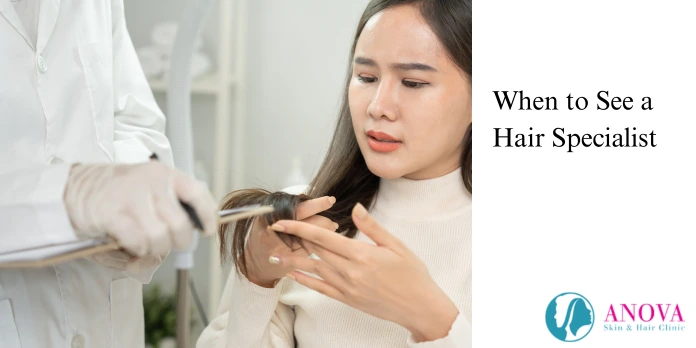
Sometimes hair loss may continue even after making lifestyle changes such as improving diet or reducing nicotine use. In such situations, consulting a hair specialist or dermatologist can be helpful. A professional can examine your scalp, understand the possible causes of hair loss, and suggest appropriate treatment options if needed.
Signs you should seek professional help
Sudden or excessive hair shedding
When you find that you have a lot of hair falling out as you brush your hair, wash your hair, or even style your hair, it might show that there is a problem that requires the attention of a doctor.
Noticeable thinning on the scalp
When you notice that your hair is beginning to thin or that you can see a lot more of your scalp than normal, it might be indicating that your hair follicles are weakening.
Hair loss that continues for several months
Long-lasting shedding of hair with no improvement will need professional analysis to figure out the cause and avoid additional loss of hair.
A hair specialist can examine your scalp, identify the possible reasons behind hair loss, and recommend suitable treatments to help support healthier hair growth.
Conclusion
Although vaping would not lead to baldness in all people, nicotine and other chemicals in e-cigarettes would negative impact on hair follicles, circulation of the scalp, and the normal growth cycle of hair.
Over time, these effects may contribute to hair thinning or increased shedding. If you are experiencing hair loss and regularly vape, reducing or quitting nicotine may help improve your hair health.
Eating well, avoiding stress, and taking good care of your scalp can also help to have stronger and healthier hair growth.
FAQs:
Does vaping cause hair loss permanently?
Vaping does not usually cause permanent hair loss, but nicotine may weaken hair follicles and contribute to hair thinning over time.
Can vaping cause hair thinning?
Yes, vaping may lead to hair thinning because nicotine can reduce blood flow to the scalp and affect hair follicle health.
Will hair grow back after quitting vaping?
In many cases, hair may grow back after quitting vaping as scalp circulation and the hair growth cycle improve.
Is vaping safer than smoking for hair health?
Vaping may contain fewer toxins than smoking, but nicotine in both can still negatively affect hair follicles and scalp health.