

Struggling with acne, dull skin, or uneven tone? Chemical Peeling might be the skin reset you’ve been looking for. It is one of the most popular dermatological treatments to improve skin texture and achieve a healthier complexion.
Chemical peeling benefits go beyond just simple exfoliation, as it helps renew the skin by removing damaged outer layers of the skin and stimulating fresh cell growth. It encourages natural skin generation and addresses several skin issues, including acne, hyperpigmentation, and early signs of aging.
So how does it actually transform your skin? In this blog, we will explore the major benefits of chemical peeling, the procedure, its types, possible side effects, and what to expect after the treatment.
What Is Chemical Peeling?
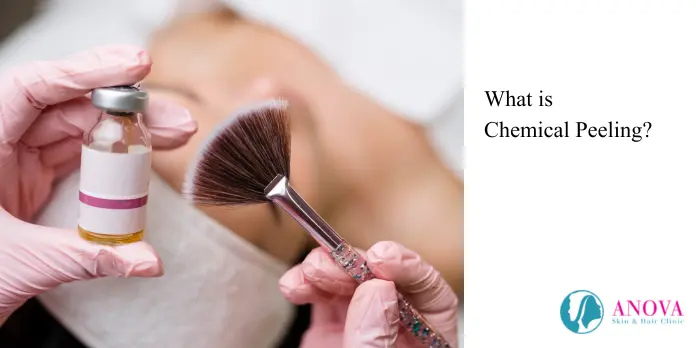
Chemical peeling is a skin treatment in which a specially made chemical solution is applied to the skin to gently remove dead skin cells and damaged outer layers. The peeling of the outer layer exposes the underlying fresh, healthy, and more even-toned skin, and also promotes overall skin regeneration and improvement.
This treatment is commonly used for:
- Acne and acne scars – It reduces acne by cleaning out the skin pores and gradually improves the look of old acne scars by stimulating skin growth and collagen production.
- Uneven skin tone – It removes the dull and damaged skin layers, which helps the complexion look more balanced and smoother over time.
- Pigmentation and dark spots – It targets excess melanin in the skin, which helps to fade dark spots, sun damage, and hyperpigmentation for clearer skin.
- Fine lines and early signs of aging – It stimulates collagen production, which helps to improve skin elasticity and reduce fine lines and wrinkles.
The main idea behind chemical peeling is skin regeneration and renewal, which results in healthier, brighter, and more refined skin over time.
Types of Chemical Peeling
Chemical peeling is classified based on how deeply they penetrate into the skin layers. Various factors, like skin condition, sensitivity, and desired result, can determine what type of peel is suitable for you.
Light Peels
Light peels are the weakest type of chemical peeling, which only target the outermost layer of the skin (epidermis), without damaging the deeper layers. These peelings are best suited for beginners or sensitive skin types due to their superficial nature. Common exfoliating agents used include AHA (Alpha Hydroxy Acids) and BHA (Beta Hydroxy Acids), which gently remove dead skin and unclog pores.
They are most commonly used for:
- Mild acne – They unclog the pores, reduce excess oil, and prevent small breakouts by gently cleaning the surface skin.
- Dull skin – They exfoliate and remove dead skin cells, which makes the skin dull, and restores its natural glow.
- Slight pigmentation – They lighten minor dark spots and help to balance the skin tone by encouraging faster skin regeneration.
They provide the benefits of chemical peeling within a few days, allowing you to get back to your normal routine as soon as possible.
Medium Peels
Medium peels go deeper into the skin and target the middle layer (dermis). They are more aggressive and intense, which means more recovery time, but they do deliver stronger results than light peeling. These often use TCA (Trichloroacetic Acid), sometimes combined with glycolic acid for stronger resurfacing effects.
They are most effective for:
- Acne scars – They reduce the visibility of acne scars by stimulating collagen production, which results in better skin texture and smoother skin over time.
- Uneven skin tone – They target the damaged skin cells and help to create a more balanced pigmentation for a brighter complexion.
- Moderate pigmentation – They target the deeper dark spots, blackheads, and sun damage of the skin, which significantly helps to lighten the skin.
This type of chemical peel offers more noticeable changes but may cause some redness and peeling for a few days after the procedure.
Deep Peels
Deep peels are the strongest type of chemical peeling, which penetrate deep into the skin layers. They are usually performed under strict professional supervision due to their intensity and significantly longer recovery period. Deep peels typically use phenol-based solutions, which penetrate deeper skin layers for more intensive skin renewal.
They are used for:
- Deep wrinkles – They encourage collagen production and tighten skin, which dramatically reduces visible signs of aging.
- Severe acne scars – They improve deep and long-standing scars by removing damaged skin layers and promoting regeneration.
- Long-term sun damage – They help repair extensive UV damage, reducing rough texture and uneven pigmentation.
They provide drastically noticeable results, but have a longer recovery period and need proper aftercare for safe, effective results.
Chemical Peeling Benefits for Skin
Chemical peeling addresses a range of skin issues, both at the surface and deeper levels of the skin. Its benefits are widely recognized in dermatology as they promote skin renewal and repair.
1. Helps Reduce Acne and Breakouts
Chemical peels often help to control acne by deeply cleansing the skin pores that are often clogged by oil, dirt, and dead skin cells. They also prevent excess sebum production, which is one of the major causes of frequent breakouts.
2. Reduces Acne Scars
One of the most noticeable changes seen after a chemical peel recovery is its effect on acne scars. It may not completely remove the deep scars, but it significantly reduces their appearance and smoothens the skin.
It works by:
- stimulating collagen production, which helps to rebuild the damaged skin
- promoting the skin’s natural healing process, allowing healthier skin cells to replace the damaged ones
- improving overall skin texture and making scars less visible
3. Fades Hyperpigmentation and Dark Spots
Chemical peels are excellent in reducing hyperpigmentation, such as dark spots, sun tans, and post-acne marks. They also help improve skin clarity by reducing issues like blackheads, which are often caused by pimples, clogged pores, and oil buildup.
Excess of melanin in certain areas of the skin causes some of these problems. By gently removing the damaged outer layer of the skin, chemical peels help to fade discoloration and help even out the skin tone. This leads to a clearer, brighter, and more uniform skin complexion over time.
4. Reduces Fine Lines and Early Signs of Aging
The deficiency in the production of proteins like collagen and elastin causes fine lines, wrinkles, and dullness, which most people associate with signs of aging. These essential proteins maintain the firmness and elasticity of the skin.
Chemical peeling boosts the production of these vital proteins, which makes the skin more supple and visibly refreshed, giving a younger and healthier look with continued treatments.
5. Improves Skin Texture and Glow
An obvious benefit that comes with chemical peeling is its improvement in skin texture, along with a natural glow to the face. This treatment removes unwanted skin cells, which often make the skin look rough, uneven, or tired.
Once those layers of the skin are removed, the healthy skin underneath reveals itself. This leads to increased softness and a more radiant appearance.
6. Supports Overall Skin Health
Chemical peeling benefits go beyond just visible improvements. It promotes long-term skin health by speeding up the natural skin regeneration process. This keeps the skin active, healthy, and better equipped to repair itself in the future.
With regular treatments suggested by a dermatologist, the skin maintains better clarity and toughness, and contributes to overall skin wellness.
What to Expect After Chemical Peeling
The skin does not magically improve instantly after a chemical peel. Instead, it goes through the natural process of healing and regeneration, where old, damaged skin gradually sheds and is replaced by new, healthier skin. Knowing this, you can manage your expectations and reduce anxiety during the healing period.
- Day 1: Mild redness and sensitivity
Immediately after the treatment, the skin may seem slightly red and feel warm or sensitive to touch. This is normal as it indicates the beginning of the skin’s renewal process. A certain level of dryness is also expected during this stage. - Day 2–3: Peeling begins
During the following days, the outer layer of the skin starts to dry and gradually peel off. This is an important step in the process as damaged skin cells are being removed. It is important to remember not to pick or peel the skin manually. The skin needs to heal on its own, so any external interference is not appreciated. - Day 4–7: New skin starts forming
The peeling slows down, and the underlying healthy and fresh skin starts to emerge. The skin may look smoother and feel softer during these days, while still being a little sensitive to touch. Proper hydration and skincare are very important here. - Week 2: Visible improvement in texture and glow
By the second week, the peeling will have mostly settled down, and noticeable improvements in brightness, texture, and overall clarity can be observed. The skin won’t feel as sensitive, and that is when the chemical peeling benefits become apparent.
These changes are part of the process. And, it is crucial to strictly follow your dermatologist’s suggestions and take the best care of your skin during this recovery phase.
Side Effects and Risks
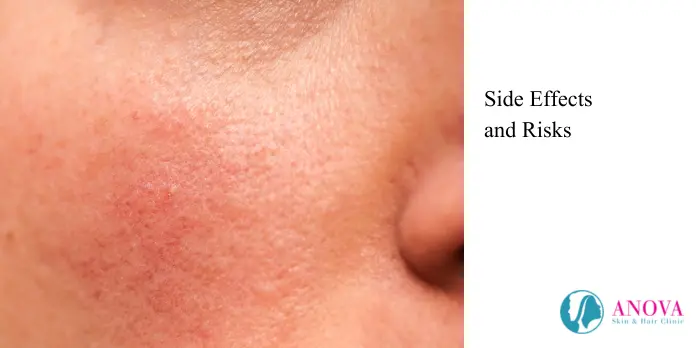
Chemical peels are generally considered safe when performed by a trained professional or a skilled dermatologist. But, like any other skin treatment, they may cause some temporary and mild side effects as the skin reacts to the procedure and begins to heal. These effects usually disappear on their own within a few days with proper aftercare. People with sensitive skin types are more prone to these side effects.
- Redness
The skin is usually a little red after the procedure as it reacts to the chemical solution. You may find the redness similar to that of a light sunburn that gradually fades as the skin begins to heal and regenerate. - Dryness
The skin may feel tight or dry because the outer layer has been removed. This is part of the skin regeneration process and can be treated with moisturizing products. - Mild irritation
Some people experience an itching or tingling sensation on the skin, which may be irritating. This is usually temporary and cools down as the skin starts to grow back. - Sensitivity to sunlight
The skin is more vulnerable to UV light after a chemical peel. It is extremely important to use sun protection because without proper sunscreen, there is a higher risk of irritation and pigmentation.
If the procedure is performed correctly under proper guidance, complications are pretty rare. The common risks can largely be avoided by selecting the appropriate type of peel for your skin. Also, maintaining good skincare habits after treatment can be the sole difference between a smooth recovery and an irritating one.
Chemical Peel Aftercare Tips
Aftercare is a vital step of the chemical peeling process as it directly affects how well your skin heals and how visible the final results will be. Following the right routine helps reduce side effects, prevent complications, and enhance overall skin health.
- Always use sunscreen (SPF 30+)
After a chemical peel, the skin is very sensitive to sunlight, which makes sun protection a priority. Use of sunscreen with SPF 30 or higher helps prevent sun damage, pigmentation, and irritation during recovery. - Avoid harsh skincare products
Products containing strong acids, retinoids, or exfoliants should be avoided for a few days after treatment. These ingredients can irritate the newly treated skin and delay healing, so it is best to stick to gentle and soothing skincare. - Keep skin hydrated
Since the skin experiences dryness after the procedure, moisturizing the skin regularly helps restore the skin barrier and reduces unease. Keeping the skin well-hydrated helps the skin recover faster and promotes better results over time. - Do not peel or scratch skin manually
It is important to let the skin shed naturally. Pulling or scratching the skin can lead to uneven healing, which affects the outcome. The newly grown skin is prone to any harsh approaches, so it’s best to let it heal on its own.
These aftercare tips will ensure that you get the maximum benefit from the chemical peel, including improved tone, glowing skin, and a healthier overall appearance.
Conclusion
Chemical peeling is one of the most effective non-invasive skin treatments for common skin concerns like acne, pigmentation, and uneven skin texture. Removing the damaged outer layers and stimulating new skin growth helps to reveal healthier and brighter skin over time.
The right treatment and proper aftercare can significantly improve the final result and boost self-esteem. For safe and effective results, it is always best to consult a qualified dermatologist who can recommend the best type of peel based on your skin condition. Chemical peeling is a reliable option for people looking for a long-term solution for everyday skin problems.
FAQs:
Is chemical peeling safe?
Yes, chemical peeling is generally safe when performed by a trained professional. But it is important to choose the right type of chemical peel for your skin based on a dermatologist’s recommendation.
Does chemical peeling hurt?
Mild tingling or a slightly warm sensation is expected during the procedure, but it is usually temporary and bearable. The risk is very low when performed by a skilled professional and the correct intensity peel is chosen for your skin type.
How many chemical peeling sessions are needed?
Multiple sessions are recommended to achieve visible and long-lasting results. However, the number of sessions solely depends on your skin condition and the type of issue being treated.
Can chemical peeling remove acne scars permanently?
Chemical peeling exfoliates the deeper layers of skin, removes dead skin cells, improves skin texture, and visibly reduces the look of the scar. However, the effectiveness varies based on the degree of scarring, so it may not completely make the scar disappear, but it makes it less noticeable.
How long do chemical peeling results last?
With proper aftercare, a healthy skincare routine, and good maintenance, the effects of chemical peeling can last for several months. Regular care helps to keep the skin smoother and clearer for longer.