
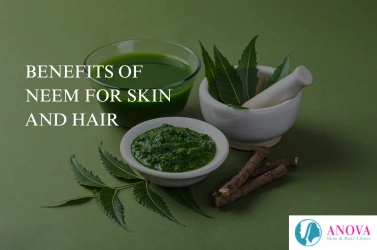
Neem is an ancient natural medicine used in traditional health systems such as Ayurveda. Azadirachta indica, or the neem tree, has powerful antibacterial, antifungal, and anti-inflammatory properties that are highly valued.
Because of these qualities, neem has become a popular ingredient in skincare and haircare products. Many people use neem to help manage acne, reduce dandruff, soothe irritated skin, and support overall scalp health.
Due to these qualities, neem has found its way into skincare and haircare products. Many people use neem to help manage acne, reduce dandruff, calm irritated skin, and support the general health of the scalp.
In this article, we will explore the benefits of neem for skin and hair, how it works, practical ways to use it, and important safety precautions to keep in mind.
What Is Neem?
Neem is a traditional medicine plant that has been used for several centuries in South Asian medicine. Neem (Azadirachta indica) is a tree native to various countries, including India and Nepal. It is widely recognized as a natural healing system and has been used in traditional medical systems such as Ayurveda.
The neem tree is used in various parts to treat health, hair care, and skin care. These include:
- Neem leaves – It is commonly used in herbal preparations and face packs due to its antibacterial effect.
- Neem bark – It is used traditionally in medicine preparation due to its medicinal value.
- Neem seeds – from which neem oil is extracted.
- Neem oil – widely used in skincare and haircare products for its antimicrobial and soothing effects.
Neem is a source of several natural compounds, making it useful as a therapeutic. These substances have been known to help combat bacteria, fungi, inflammation, and environmental damage to the skin caused by pollutants and free radicals.
Because of these beneficial properties, neem has become a popular ingredient in many personal care products. Today, it is commonly found in:
- Herbal skincare products, like face washes and masks, for acne-prone skin.
- Anti-dandruff shampoos, which help maintain scalp cleanliness and reduce flaking
- Medicinal creams and soaps, which are commonly applied to healthy skin to calm irritation.
Overall, neem is regarded as a highly adaptable herbal component that helps maintain the health of the skin and hair when used appropriately as part of the regular care routine.
Benefits of Neem for Skin
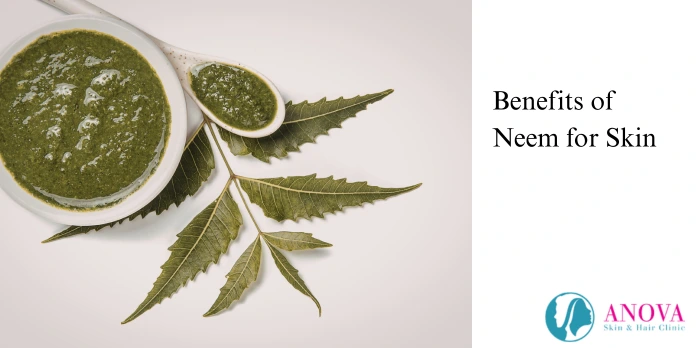
Neem is also widely used in skincare due to its natural compounds that help maintain healthy skin. It is characterized by antibacterial, antifungal, anti-inflammatory, and antioxidant effects. These properties make neem useful for treating various skin-related issues such as acne, excess oil, irritation, and small infections. Due to its cleansing and protective properties, neem is commonly used in herbal face washes, soaps, creams, and face masks.
Neem for Acne and Pimples
Neem is commonly used in skincare to treat acne and pimples. Clogged pores from excess oil, dead skin cells, and bacteria normally cause acne. This may cause inflammation, redness, and painful breakouts.
Neem contains natural antibacterial properties that might be used to curb the growth of acne-causing bacteria on the skin. Simultaneously, it has anti-inflammatory effects that are beneficial in reducing the swelling and the reddening of the area around pimples.
Using neem in skincare routines may help:
- reduce acne breakouts
- soothe inflamed pimples
- support clearer and healthier-looking skin
However, people who have extreme or chronic acne are to be treated by a dermatologist.
Neem for Oily Skin
Overproduction of oil is one of the causes of blocked pores and frequent breakouts. Neem can be used to control oily skin due to its natural cleansing and purification effects.
It helps remove dirt, bacteria, and excessive sebum on the skin surface. Neem can help lower the risks of acne and improve the balance of the skin in general by keeping the pores cleaner. For this reason, neem is often used in face masks, herbal cleansers, and toners designed for oily or acne-prone skin.
Neem for Skin Infections and Irritation
Neem also has natural antifungal and antibacterial effects, which can be used to prevent some infections on the skin. These are some of the properties that use neem as a soothing agent for irritated or sensitive skin.
It may help support the management of conditions such as:
- mild fungal infections
- irritated or itchy skin
- minor skin wounds
Because of its calming effects, neem is sometimes used in herbal creams and medicinal soaps that are designed to soothe inflamed skin.
Neem for Skin Healing
The antioxidant compounds in the neem also protect the skin cells from the damage caused by free radicals. Free radicals may cause weakness in the skin cells and may lead to stress and aging of the skin.
Antioxidants help in the natural repair of the skin, which could help in enhancing the health and appearance of the skin. In traditional remedies, neem has been used to help support the healing of minor cuts, wounds, and irritated skin when applied carefully as part of a skincare routine.
How to Use Neem for Face
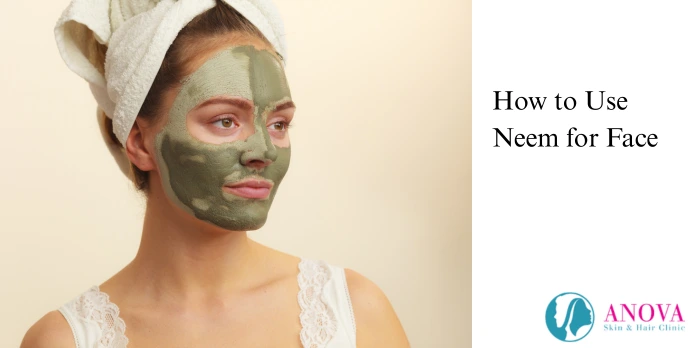
There are various ways in which neem can be easily incorporated into a skincare routine. Due to its antibacterial and calming effect, it is often used in face packs, masks, oils, and herbal rinses. Properly used, neem can assist in skin cleansing, reduce excess oil, and help in a clearer skin.
Neem Face Pack for Acne
Neem face pack is among the most common home remedies for acne and oily skin. The neem powder is normally mixed with water or rose water into a paste. An individual can then apply this paste to the face and leave it there for 10-15 minutes before washing it off using lukewarm water.
This simple face pack may help:
- cleanse clogged pores
- reduce excess oil
- calm inflamed pimples
Using a neem face pack occasionally may support clearer and healthier-looking skin.
Neem Powder Mask
Neem powder is mostly applied in the making of herbal face masks since it mixes easily with other natural substances. It may be combined with such ingredients as turmeric, clay, or honey to make a cleansing face mask.
This type of mask may help:
- remove dirt and impurities from the skin
- control excess oil production
- refresh and brighten the complexion
Neem powder mask is frequently used by many people once or twice a week as a skincare product.
Neem Oil for Skin Care
Neem oil is the active extract of the neem seeds and a concentrated version of the active compounds of the plant. Since the neem oil is powerful, it is typically mixed with a carrier oil like coconut oil or almond oil and then used on the skin.
When diluted properly, neem oil may help:
- soothe irritated or inflamed skin
- support the skin’s natural protective barrier
- maintain overall skin health
It is taken in a few doses and used occasionally, but not on a daily basis.
Neem Water for Skin
Another simple way to use neem is by preparing neem-infused water. Neem leaves can be boiled in water and then allowed to cool. The cooled water can be used as a gentle skin rinse or splash for the face.
The other easy method of using neem is by making neem water. Boil neem leaves and let them cool down. After that, the water can be applied as a mild skin rinse or splashed on the face.
Neem water may help:
- cleanse the skin
- reduce mild irritation
- refresh the complexion
The approach is commonly adopted as an organic means of ensuring that the skin is clean and balanced.
Benefits of Neem for Hair
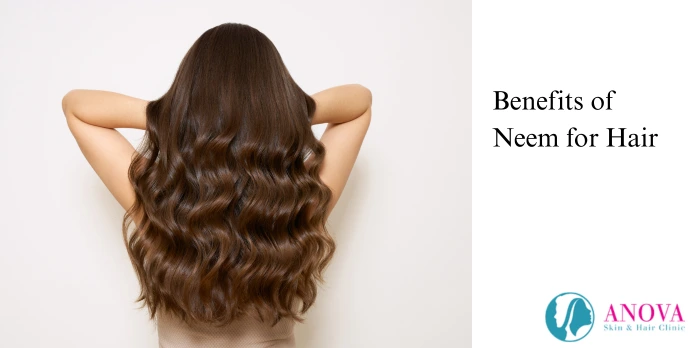
Neem has been used in various hair products as it helps in keeping the scalp clean and healthy. A healthy scalp is very useful in taking care of healthy and strong hair. Because of its antibacterial, antifungal, and anti-inflammatory properties, neem helps address common scalp problems such as dandruff, irritation, and buildup. For this reason, neem is often included in herbal shampoos, hair oils, and scalp treatments.
Neem for Dandruff
Dandruff is normally caused by fungus, excess oil, or irritation of the scalp. Neem contains natural antifungal qualities, which could be used to treat the microorganisms that cause dandruff.
Using neem-based hair products regularly may help:
- reduce dandruff flakes
- calm scalp itching and irritation
- improve overall scalp cleanliness
Neem can also be used to avoid repeated occurrences of dandruff and help in keeping the scalp in a healthier environment.
Neem for Scalp Health
To have healthy and strong hair, one must have a healthy scalp. Neem can wash the head by eliminating the buildup of oils, dirt, sweat, and dead skin cells.
Its anti-inflammatory effect can also help to relieve the scale irritation and pain. It is possible to maintain a clean and balanced scalp to have healthier hair in the long-term and prevent problems with the scalp.
Neem for Hair Strength
Neem is widely used in herbal hair oils because it can be utilized to provide nourishment to the scalp and the hair roots. A healthy scalp offers a superior environment for healthy hair growth.
Neem in itself might not have a significant effect on hair growth, but having a clean and healthy scalp can help the hair grow stronger and prevent the problem of breakage or scalp irritation.
How to Use Neem for Hair
Neem could be used in various basic ways as a normal hair care practice. Neem is commonly used to treat the scalp and to eliminate dandruff due to its antifungal and cleansing effects. It could be used in the form of hair masks, oils, rinses, or hair products made of neem.
Neem Hair Mask
Neem hair mask is one of the natural remedies used to clean the scalp and also to reduce dandruff. It is prepared by mixing neem powder with water or yogurt to form a fine paste. This is then rubbed on the scalp and left to remain on the scalp between 15-20 minutes, and the scalp is washed.
This type of hair mask may help:
- cleanse the scalp
- reduce dandruff flakes
- remove buildup from oils and dirt
Using a neem hair mask occasionally may help keep the scalp fresh and balanced.
Neem Oil for Scalp Massage
Scalp massages are commonly done with neem oil since the oil contains substances that promote hygiene of the scalp. Neem oil is a strong substance, and therefore it is typically combined with a carrier oil like coconut oil or almond oil and then applied to the scalp.
Gently massaging the diluted oil into the scalp may help:
- nourish the scalp
- improve blood circulation
- soothe irritation and dryness
Regular scalp massage may also help maintain healthier hair roots.
Neem Water Rinse
Neem water can be prepared by boiling neem leaves in water and allowing the mixture to cool. This neem-infused water can then be used as a final rinse after shampooing the hair.
A neem rinse may help:
- refresh the scalp
- reduce mild irritation or itching
- support scalp cleanliness
This method is often used as a natural way to keep the scalp feeling clean and comfortable.
Neem-Based Shampoos
Many herbal shampoos contain neem extract because of its cleansing and antifungal properties. These shampoos are commonly used to help control dandruff and maintain a healthy scalp.
Regular use of neem-based shampoos may help keep the scalp clean, reduce flakes, and support overall hair health.
Precautions When Using Neem
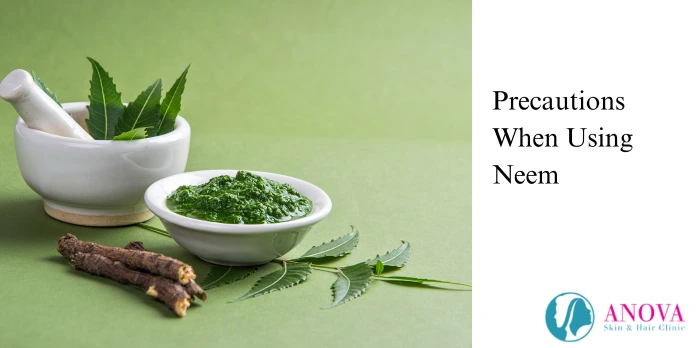
Neem is a natural ingredient, but still, it is necessary to use it with care.
In some cases, people might be irritated by the skin or allergic to neem products. This is why it is suggested that a patch test should be done before neem is applied extensively on the skin.
Neem oil is also not to be consumed in large amounts, as it can be toxic.
Women who are pregnant, breastfeeding, or have any medical condition should consult with a healthcare professional before using neem products.
When to See a Dermatologist
Natural remedies like neem can support skin and hair care, but they may not replace medical treatment.
You should consider consulting a dermatologist if you experience:
- persistent or severe acne
- chronic dandruff
- scalp infections
- unexplained skin irritation
A dermatologist can diagnose the underlying cause and recommend appropriate treatment.
Conclusion
Neem is one of the traditional herbal ingredients that can have many possible benefits to the skin and hair. Its antibacterial, antifungal, and anti-inflammatory effects can be used to achieve clear skin, lessen dandruff, and help in a healthier scalp.
Although neem can be a beneficial supplement to a skincare or haircare routine, it must be applied moderately and with caution. And if any serious skin or scalp issues must always be examined by an experienced medical expert.
FAQs:
Is neem good for acne?
Yes, neem can be used to treat acne since it contains natural antibacterial and anti-inflammatory effects. These properties can be used to decrease the acne-causing bacteria, redness, and inflammatory pimples. However, acne can be severe or persistent, and it can be necessary to treat it with the help of a dermatologist.
Can neem help with dandruff?
Neem can also be used to treat dandruff because it is an antifungal. It can assist in decreasing the microorganisms that cause dandruff and calm down the itch of the scalp. Neem-based shampoos or hair masks can be used to make the scalp healthier and cleaner.
How often can neem be used on skin?
Face packs or masks are a type of neem treatment typically used once or twice a week, depending on the type and sensitivity of skin. Individuals with sensitive skin must begin with minimal usage and should conduct a patch test before using neem on the whole face.
Is neem oil safe for hair?
Neem oil can be safe for hair when it is properly diluted with a carrier oil, such as coconut oil or almond oil. Diluted neem oil may help support scalp health and reduce dandruff. It should not be applied directly in large amounts because it is highly concentrated.
Can neem help with oily skin?
Yes, neem can be used to regulate oily skin due to its natural cleansing effect. It may be used to clear the extra oil, dirt, and bacteria on the skin surface, which can help clear up clogged pores and promote a more balanced complexion.