
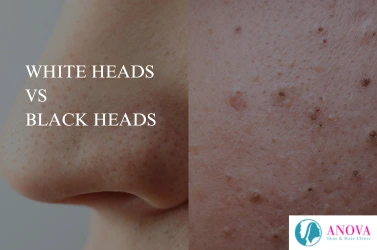
Most individuals have acne at some time in their lives, and two of the most common types are whiteheads and blackheads. These bumps on the skin are similar in appearance; however, they actually develop differently and might need a bit of different treatment.
Understanding the difference between whiteheads vs blackheads can help you select the appropriate skincare routine and avoid clogged pores. The two conditions are caused by blockage of the pores by oil, dead skin cells, and, sometimes, bacteria. But the way the pore is blocked determines whether you get a whitehead or a blackhead.
In this article, we will discuss what whiteheads and blackheads are, their causes, how they differ, and the best ways to treat and prevent them.
What Are Whiteheads?
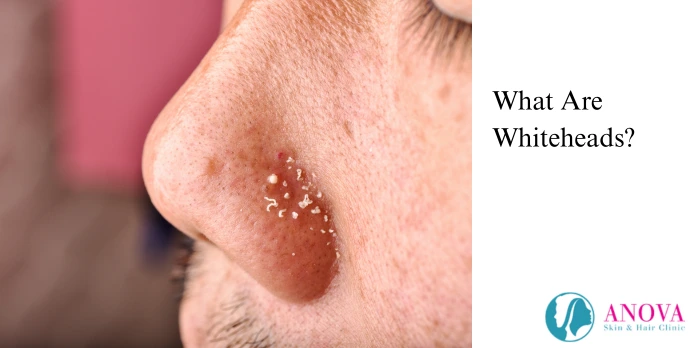
Whiteheads are a type of acne known as “closed comedones”. They occur when a pore becomes clogged with oil, dead skin cells, and bacteria, but remains closed at the skin’s surface.
Because the pore remains closed, the trapped material appears as a small white or flesh-colored bump on the skin. These bumps tend to be round, slightly raised, and can cause the skin to appear uneven.
Whiteheads commonly appear on areas where oil production is higher, such as:
- the forehead
- the nose
- the chin
- the cheeks
Even though whiteheads are not generally painful, they can affect skin texture and may become more noticeable if not treated properly.
Common Causes of Whiteheads
Whiteheads are caused by clogged pores from oil, dead skin cells, and other impurities. Many factors can cause this buildup and increase the chances of developing whiteheads.
Excess Oil Production
In the case of excessive oil (sebum) production by the skin, it may mix with dead skin cells and clog the pore opening, resulting in whiteheads.
Dead Skin Cell Buildup
Under normal circumstances, dead skin cells peel off. But when they are not shed, they may mix with oil and get stuck in the pores.
Hormonal Changes
Whiteheads are more likely to occur during puberty, menstruation, pregnancy, or times of stress, when oil production increases due to hormonal changes in the skin.
Using Heavy Skincare Products
Thick creams, oily lotions, or certain makeup products can clog pores, especially if they are not labeled as non-comedogenic.
Poor Skincare Habits
Not washing the face regularly, skipping exfoliation, or sleeping without removing makeup can allow dead skin cells, oil, and dirt to build up and block pores.
What Are Blackheads?
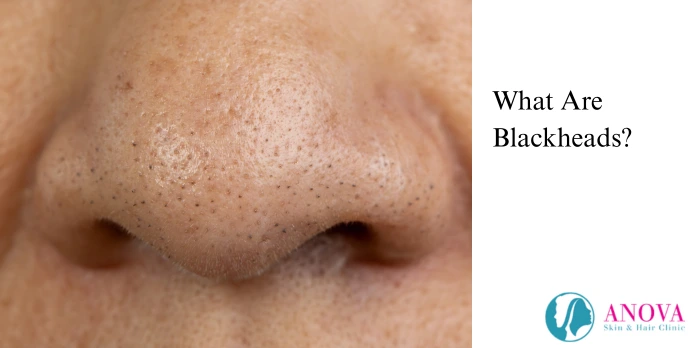
Another type of acne is blackheads, also referred to as open comedones. They grow when a pore is filled with an excessive amount of oil (sebum), dead skin cells, and other impurities, but are left open on the skin surface.
When the material trapped in the pore is exposed to air, the reaction that occurs is known as oxidation, and it changes the material to a dark colour. It is this reaction that causes the blackheads to appear black or dark.
It is important to understand that blackheads are not caused by dirt, even though they may look dark. The color comes from the oxidation of oil and skin cells inside the pore.
Blackheads are mostly found in those regions where there is greater oil production, including:
- the nose
- the chin
- the forehead
Such regions are considered the T-zone, where pores are larger and prone to clogging. The skin can also be rough and uneven when touched by blackheads.
Common Causes of Blackheads
Blackheads are typically caused by several factors that clog pores. These reasons are closely related to the causes of whiteheads and may be associated with excessive oil and skin surface accumulation.
Excess Sebum Production
In case the sebaceous glands overproduce oil (sebum), it may combine with the dead skin cells and block the pores. If the pore remains open, the trapped material oxidizes and forms a blackhead.
Dead Skin Cells
Unless the proper technique is used to remove dead skin cells from the surface of the skin, they may pile up and mix with the oil, resulting in clogged pores.
Cosmetic Products
Some skin or face products can block up pores, particularly when they are heavy, oily, or when they have not been designated as non-comedogenic.
Environmental Factors
Pollution, dirt and dust when exposed to may also lead to the clogging of the pores unless the skin is properly cleansed and there is possibility of developing blackheads.
Whiteheads vs Blackheads: Key Differences
Although whiteheads and blackheads are both types of acne caused by clogged pores, they differ in how they form and how they appear on the skin.
| Feature | Whiteheads | Blackheads |
|---|---|---|
| Pore type | Closed pore where oil and dead skin cells are trapped under the skin surface. | Open pore where oil and dead skin cells are exposed to air. |
| Appearance | Small white or flesh-colored bumps that are slightly raised on the skin. | Dark or black spots that usually appear flat on the skin. |
| Formation | Forms when a clogged pore remains closed and the trapped material stays beneath the skin. | Forms when a clogged pore opens and the trapped oil reacts with air. |
| Color | White or skin-colored because the material inside the pore is not exposed to air. | Dark or black due to oxidation when oil and skin cells are exposed to oxygen. |
| Texture | Often feel like small, firm bumps on the skin. | Usually feel slightly rough but flatter than whiteheads. |
Understanding these differences can help you identify which type of acne you have and choose the right treatment.
How to Treat Whiteheads
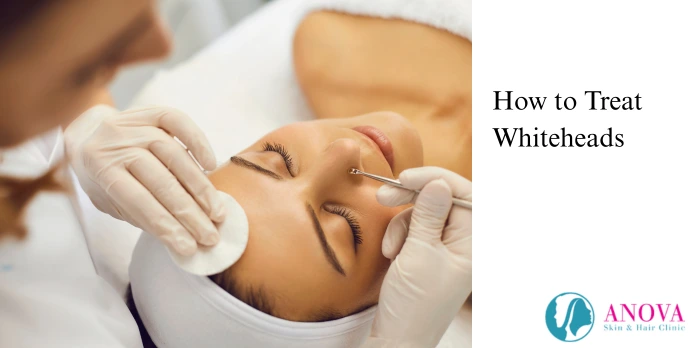
Whiteheads are normally treated by keeping the pores clean, regulating the amount of oil produced, and ensuring that a regular skincare routine is followed.
Salicylic Acid
Salicylic acid helps exfoliate the skin and penetrate deep into the pores. It works by dissolving the accumulation of oil and dead skin cells, which lead to whiteheads.
Use a salicylic acid cleanser or serum once or twice daily, usually in the morning or evening after cleansing. Apply a small pea-sized amount to the affected areas.
Benzoyl Peroxide
Benzoyl peroxide destroys bacteria that cause acne and causes inflammation. It also helps in drying up excess oil, which may lead to clogged pores.
Use a thin layer once daily, suggested in the evening, as it may cause dryness initially. Start with a low concentration (2.5–5%) and increase gradually if tolerated.
Retinoids
Topical retinoid assists in accelerating skin cell turnover. This helps avoid the build-up of dead skin cells in the inside of pores and will slow the formation of new whiteheads.
Apply a pea-sized amount at night after cleansing the skin. Use it 2–3 times per week initially, then increase frequency as the skin adapts.
Gentle Exfoliation
Regular exfoliation helps in shedding the dead skin cells on the skin surface. This maintains the cleanliness of pores and minimizes the risk of the occurrence of whiteheads.
Use a mild exfoliating product 1–2 times per week, preferably in the evening routine. Avoid over-exfoliating, as it can irritate the skin.
How to Treat Blackheads
Treating blackheads focuses on removing oil buildup, clearing clogged pores, and maintaining clean skin.
Salicylic Acid Cleansers
Salicylic acid cleansers go deep into the pores and assist in dissolving surplus oil and removing those that contribute to blackheads.
Use the cleanser once or twice daily during your morning and evening routine. Gently massage a small amount for 20–30 seconds before rinsing.
Chemical Exfoliants
Alpha hydroxy acids (AHAs) and beta hydroxy acids (BHAs) are chemical exfoliants that assist in the process of exfoliating dead skin cells and enhancing the skin texture to reduce clogged pores.
Use chemical exfoliants 1–3 times per week, preferably in the evening. Apply a small amount to clean skin and follow with moisturizer.
Clay Masks
The excess oil that is on the skin gets absorbed by the clay mask, and it helps to pull the dirt from the pores, and helps to reduce the occurrence of blackheads.
Apply a thin layer once or twice per week and leave it on for 10–15 minutes before rinsing. Use it after cleansing the skin.
Professional Extractions
Dermatologists can safely remove stubborn blackheads using specialized tools. Professional extraction reduces the risk of skin damage compared to squeezing blackheads at home.
This treatment is usually done during dermatology visits or professional facials. It should always be performed by a trained skincare professional.
Best Skincare Routine for Whiteheads and Blackheads
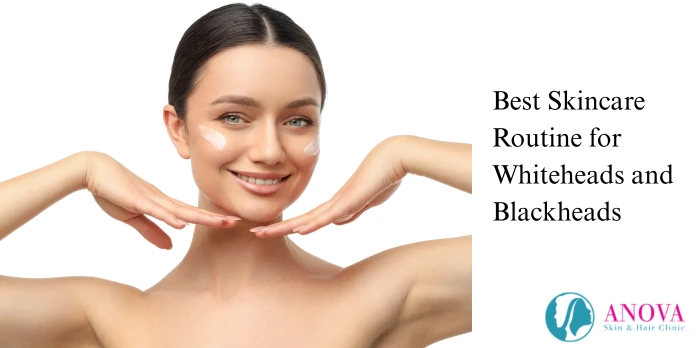
A regular skincare routine can be one of the methods of controlling both whiteheads and blackheads through maintaining clean pores and minimizing the presence of excess oil.
Cleanse Your Face Twice Daily
Apply a mild cleanser to eliminate dirt, oil, sweat, and other elements that may block pores. Washing your face in the morning and before sleep helps maintain the skin fresh and balanced.
Exfoliate Regularly
Exfoliating 1–2 times per week helps remove dead skin cells from the surface of the skin. This will avoid accumulation that may clog pores to cause whiteheads or blackheads.
Use Non-Comedogenic Products
Select beauty items that are non-comedogenic on the label. These products are particularly created to avoid clogging of pores, and therefore, they are ideal to use on acne-prone skin.
Moisturize Your Skin
Even the oily or acne-prone skin needs to be hydrated. A lightweight moisturizer can be used to keep the skin in its natural balance to avoid producing too much oil.
Apply Sunscreen
Daily sunscreen helps to protect the skin against dangerous UV rays and avoid irritation or destruction that may aggravate acne.
How to Prevent Whiteheads and Blackheads
It is sometimes easier to prevent acne rather than to treat it when it develops. Healthy skincare practices can be used to minimize the risks of clogged pores.
Some helpful tips include:
- cleaning your face regularly to get rid of oil and dirt
- avoiding heavy or oily makeup products that may clog pores
- keeping hair away from the face to prevent oil transfer
- following a consistent and healthy skincare routine
- avoiding excessive touching or picking at your face
These are easy-to-adopt habits that will keep the pores clean and will go a long way to prevent the occurrence of whiteheads and blackheads.
Common Myths About Whiteheads and Blackheads
There are many misconceptions about whiteheads and blackheads. Understanding the facts can help you take better care of your skin and avoid practices that may worsen acne.
Myth: Blackheads Are Caused by Dirt
The blackheads can be mistaken for dirt stuck in the pores. However, in truth, they are caused by oxidized oil and dead skin cells in an open pore. Once this substance comes into contact with air, it becomes dark, and thus the blackheads are black.
Myth: Popping Pimples Helps Them Heal Faster
Some individuals think that by squeezing the pimples, they will be gone in a short time. However, popping pimples may cause bacteria to go deeper into the skin, more inflammation, and more scarring or infection.
Myth: Only Teenagers Get Blackheads
Although blackheads are normal in teenage years, they can also occur in adults as a result of hormonal changes. Stress, hormones, skincare practices, and some cosmetic products can be some of the factors that contribute to blackheads at any age.
When to See a Dermatologist
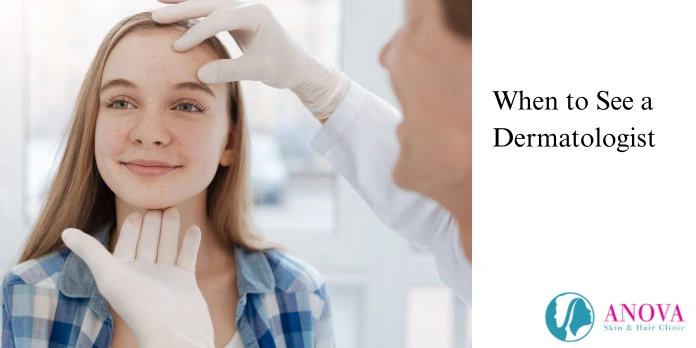
If over-the-counter treatments and home remedies do not improve your skin, it is time to consult a dermatologist. A skin specialist can examine your present condition of the skin and recommend the most effective treatment based on your skin type and acne severity.
You should consider seeking professional help if:
- acne becomes severe, painful, or inflamed
- breakouts occur frequently or keep returning
- acne starts leaving dark spots or scars
- Home treatments and skincare products do not show improvement
Dermatologists can recommend prescription medications, professional extractions, chemical peels, or other advanced treatments to help manage acne and improve overall skin health.
Conclusion
White heads and blackheads are both forms of acne that are caused by blocked pores. They have similar causes but when the pore is open or closed they appear different and are formed differently.
Knowing the distinction between whiteheads vs blackheads, having a regular skincare routine, and the right treatments, you can continue to have cleaner and healthier skin.
In case home treatments fail to help you get rid of your acne, you can visit a dermatologist to assist you in identifying the best treatment for your skin.
FAQs:
Are blackheads and whiteheads the same?
No, they are different types of acne. Whiteheads are closed, clogged pores, and blackheads are open, clogged pores exposed to the air.
Why do blackheads look black?
Blackheads appear black because the oil and dead skin cells inside the pore react with oxygen in the air, a process called oxidation.
Can whiteheads turn into blackheads?
Yes, if a clogged pore opens at the surface, the trapped material may become exposed to air and turn into a blackhead.
What is the fastest way to remove blackheads?
Using products with salicylic acid, regular exfoliation, or professional extraction by a dermatologist can help remove blackheads more effectively.