
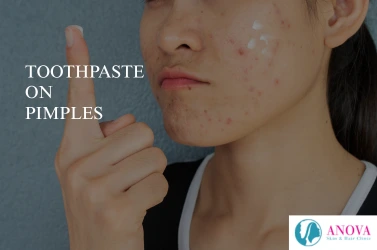
Woke up suddenly and broke out just before a great affair? You have probably heard someone say, just put toothpaste on it. The thought of applying toothpaste on pimples is not a new home remedy. It is just easy, inexpensive, and convenient.
But is it actually safe?
While toothpaste may seem like a quick overnight fix, dermatologists strongly advise against it. Even what appears to be a drying solution may end up damaging your skin barrier, irritating it, and even leaving dark spots behind.
Let’s break down the truth in simple, clear terms.
Does Toothpaste on Pimples Actually Work?
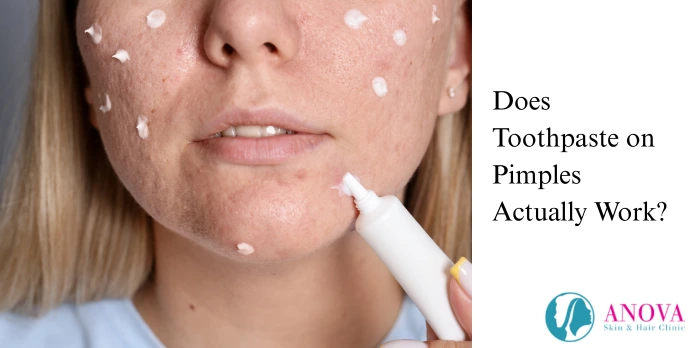
The short answer: Not really; and it may even make things worse.
When individuals apply toothpaste on pimples, they tend to realise that the spot is dry and tight. It might be a little smaller by the following morning. This makes it seem like the toothpaste worked.
Why People Think It Works
Many people believe toothpaste works because:
- It dries out the pimple
- It gives a cooling or tingling sensation
- The pimple may look smaller the next day
The toothpaste also includes such ingredients as baking soda, alcohol, and hydrogen peroxide. These may dry the skin on the surface, and this may temporarily shrink the pimple.
But acne develops within the pore as a result of oil, bacteria, and inflammation. Toothpaste will only dry the surface; it will not cure what is really the problem. And too much drying could dry out the skin, and in some cases, result in more breakouts.
Drying a pimple is not the same as healing it.
The Short-Term vs Long-Term Reality
In the short term:
- The pimple may appear flatter.
- The redness might reduce slightly.
This is because toothpaste dries up the skin’s surface. The bump may temporarily appear smaller when the moisture is reduced.
In the long term:
- The skin becomes irritated.
- Inflammation can increase.
- Your natural skin barrier may get damaged.
- Your skin may produce more oil to compensate for dryness.
In cases where the skin barrier has been weakened, it is unable to defend or heal itself. This causes your skin to be more sensitive and prone to a recurrence of breakouts. Therefore, rather than treating acne, it becomes a pattern of irritation and new eruptions when toothpaste is placed on pimples.
Does Toothpaste Remove Pimples Overnight Safely?
The honest answer is no.
Even if toothpaste seems to shrink a pimple overnight, it does not treat the real cause of acne. Pimples develop because of:
- Clogged pores
- Excess oil production
- Bacteria
- Inflammation
Toothpaste only dries the surface of the skin. It does not unclog pores, control oil properly, or reduce bacteria in a safe and balanced way.
Leaving toothpaste on your skin overnight can cause:
- Burning or stinging
- Redness
- Peeling
- Chemical irritation
In people with darker or melanin-rich skin tones, irritation can also lead to post-inflammatory hyperpigmentation, which means dark spots that remain even after the pimple heals.
So while using toothpaste on pimples may seem like a quick overnight solution, it is not a safe or reliable treatment.
Why Toothpaste Is Harmful for Your Skin
Understanding why toothpaste can harm your skin helps explain why dermatologists discourage this practice.
Toothpaste vs Skin pH – Why It Matters
Your skin has a natural protective layer called the skin barrier. This barrier works best at a slightly acidic pH of around 5.5.
Toothpaste, on the other hand, is more alkaline — usually around pH 8 to 9.
When you apply something alkaline to your skin:
- It disrupts the natural balance.
- The protective barrier weakens.
- Moisture escapes more easily.
- Skin becomes irritated and inflamed.
This imbalance can worsen acne instead of improving it.
Ingredients That Can Trigger Irritation
Toothpaste is designed for teeth, not facial skin. Some common ingredients that may irritate your skin include:
Baking Soda
Very drying and can strip natural oils aggressively.
Hydrogen Peroxide
Can damage healthy skin cells while trying to “kill bacteria.”
Alcohol
Dries out skin excessively and increases irritation.
Menthol
Creates a cooling sensation that feels soothing but can irritate sensitive skin.
Sodium Lauryl Sulfate (SLS)
A foaming agent that can cause dryness and contact dermatitis.
These ingredients are safe for brushing teeth in small amounts, but your facial skin is far more delicate.
Side Effects of Using Toothpaste on Pimples
Using toothpaste on pimples may cause:
- Redness
- Burning or stinging
- Skin peeling
- Contact dermatitis (itchy rash)
- Excessive dryness
- Rebound oil production
- Dark spots after healing
In some cases, people experience small chemical burns. The damage may take longer to heal than the original pimple itself.
What Dermatologists Recommend Instead
Instead of using toothpaste, dermatologists recommend treatments specifically made for acne-prone skin.
Salicylic Acid for Clogged Pores
Salicylic acid works by:
- Gently exfoliating inside the pore
- Removing dead skin cells
- Reducing blockage
It helps treat blackheads, whiteheads, and small pimples safely.
Benzoyl Peroxide for Acne-Causing Bacteria
- Kills acne-causing bacteria
- Reduces inflammation
- Helps shrink active breakouts
It is far more effective and safer than applying toothpaste on pimples.
Adapalene for Persistent Acne
Adapalene is a retinoid that:
- Prevents clogged pores
- Reduces inflammation
- Improves skin texture over time
It is helpful for recurring or stubborn acne.
When to See a Dermatologist
If you experience:
- Painful cystic acne
- Frequent breakouts
- Acne scars
- Dark spots after acne
Professional treatment is the safest and most effective option.
Early treatment prevents long-term skin damage.
Safe Alternatives for Overnight Pimple Reduction
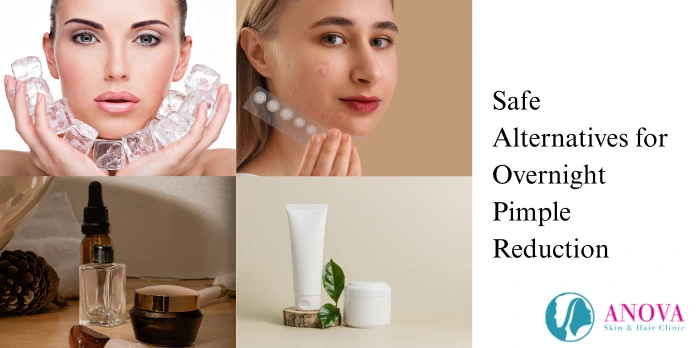
When you are in a hurry, and you need to look good just a moment before an occasion, use these options that are safer than toothpaste on a pimple:
Ice Therapy
Soak an ice cube in a clean cloth and press the pimple using the ice cube for a couple of minutes. Ice assists in swelling and redness reduction through calming down inflammation. It will not heal the pimple, but it can be used to make the pimple appear less obvious in the short term.
Hydrocolloid Patches
These tiny acne spots absorb fluid, oil, and pus found in the pimple, as well as shielding the pimple against dirt and bacteria. They also avoid touching or picking the spot, which helps the spot to heal faster. Many people notice a visible improvement overnight.
Targeted Spot Treatments
Acne is especially safe when using products that have salicylic acid or benzoyl peroxide. They work by unclogging pores, reducing bacteria, and calming inflammation. They do not deal with the symptoms of breakouts as toothpaste does.
Anti-Inflammatory Ingredients
Ingredients like niacinamide help soothe irritated skin and reduce redness. They support the skin barrier while calming inflammation, making them a gentle and effective option for overnight care.
These methods help reduce inflammation and improve appearance without damaging your skin barrier.
Final Thoughts
It might appear as a simple and cheap homemade treatment to apply toothpaste on pimples, particularly when you need to get fast results. However, it is neither an effective nor a safe long-term solution. While it may temporarily dry out the surface of a pimple, it can also irritate the skin, weaken the natural barrier, and increase the risk of redness, peeling, or even dark spots.
Acnes should be treated using acne-specific treatments, rather than using rough household products. Use of evidence-based skin care or consult with an expert in case of frequent or severe breakouts. Proper treatment of acne can save your skin now as well as save your skin in the future.
FAQs:
Is toothpaste good for acne?
No. Toothpaste is not designed for facial skin and can cause irritation and dryness.
Can toothpaste cause dark spots?
Yes. Irritation from toothpaste can lead to post-inflammatory hyperpigmentation, especially in darker skin tones.
Can Colgate remove pimples?
None of toothpaste brand is formulated to treat acne safely.
How long does a pimple take to heal naturally?
Most small pimples heal within 3–7 days if left untreated and not poked. If it is poked than the darkspot can be seen in up-coming days.
What is the fastest way to shrink a pimple?
Use a dermatologist-recommended spot treatment or hydrocolloid patch instead of toothpaste.