
A hair transplant may save lives. It not only fills your hair, but also your self-esteem, self-confidence, and social and business security. Nevertheless, most individuals concentrate on the surgery and forget the fact that what occurs after the surgery is also relevant as far as the ultimate outcome is concerned.
This is where the aftercare of hair transplant comes in. How you treat your scalp after the operation does dictate the survival rate of the grafts, the rate at which the grafts heal, and the natural look you will have in a few months. After hair restoration, care should not be complicated but taken very meticulously.
This full guide will make you know all about hair transplant aftercare, what should be done after hair transplant surgery, what should not be done, and how to ensure that you get the best possible results.
Why Hair Transplant Aftercare Matters More Than You Think
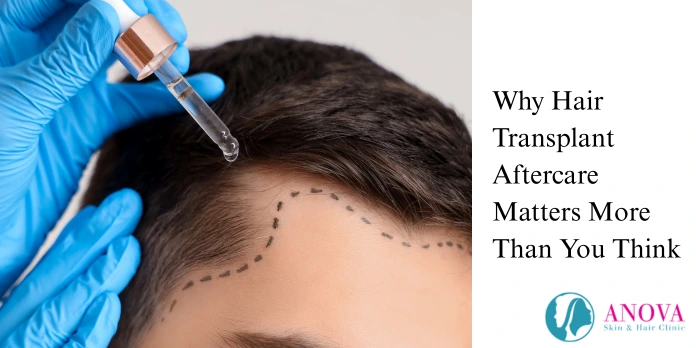
Numerous patients believe that the surgeon does everything. As a matter of fact, any responsibility starts when you leave the clinic. The hair transplant surgery is followed by the days and weeks during which the grafts take their place, root, and start growing.
The proper care of a hair transplant will secure your investment and make every graft grow with maximum chances. Post-hair transplant care may lead to the survival of grafts in poor condition and influence density. The head is tender, and any slight error can affect the healing.
The knowledge of science and rationality of aftercare makes patients more serious about instructions and achieve improved outcomes.
Graft Survival Depends on Aftercare
Every hair graft of the transplant is delicate. It requires time to get embedded into the scalp and get a blood supply. Grafts are particularly susceptible in the 7-14 days following the surgery to transplant hair.
In case the grafts are disturbed, rubbed, or subjected to friction, they may not survive. Effective hair transplant aftercare guarantees:
- Strong graft anchoring
- Healthy blood flow
- Reduced infection risk
- Better density results
How Poor Aftercare Can Ruin Results
Failure to be disciplined in hair transplant aftercare may cause:
- Graft displacement
- Infection
- Excessive scabbing
- Slow healing
- Patchy growth
There are numerous unfulfilling outcomes that are not caused by surgery but rather a lack of proper hair transplant aftercare. There is a strict adherence to instructions, as this keeps your results safe.
The Science Behind Healing and Graft Anchoring
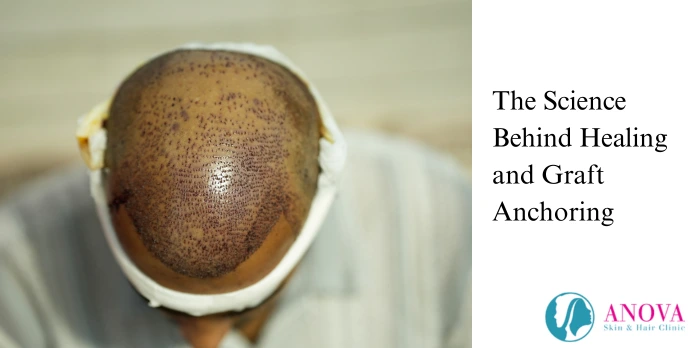
Hair transplant surgery begins the repair of the body through micro-wounds. Grafts develop a blood supply around them, giving them oxygen and nutrients. This is a sensitive process and must be safeguarded.
Hair transplant aftercare helps in this biological process. The scalp should be clean, unstirred, and well hydrated, and this enhances healing and growth potential.
The First 24–48 Hours: The Critical Phase
The two days following the surgeon’s work on the hair transplant are very crucial. This happens when the grafts have just been implanted, and they are not yet fixed. Post-hair transplant care should be delicate and careful during this period.
Such is the time to establish success in the long term. Those patients who take the first 48 hours as important tend to recover with ease. Postoperative hair transplant can be good to avoid swelling, bleeding, and graft stress.
What to Do Immediately After Surgery
- Rest properly
- Adhere to instructions on medication.
- Apply a saline spray, as advised.
- Avoid touching the scalp
- Stay in a clean environment
Safe Sleeping Positions
It is essential to sleep right after a hair transplant.
- Sleep on your back
- Keep your head up using pillows.
- Do not rub grafts on pillows.
- Use a travel pillow if needed
Foods & Hydration for Healing
Nutrition aids in after hair transplant recovery.
Best choices include:
- Protein-rich foods
- Fruits and vegetables
- Plenty of water
- Light, non-spicy meals
Things You Must Strictly Avoid
- Smoking
- Alcohol
- Touching grafts
- Dusty environments
- Sweating excessively
How to Wash Hair After a Transplant (Step-by-Step)
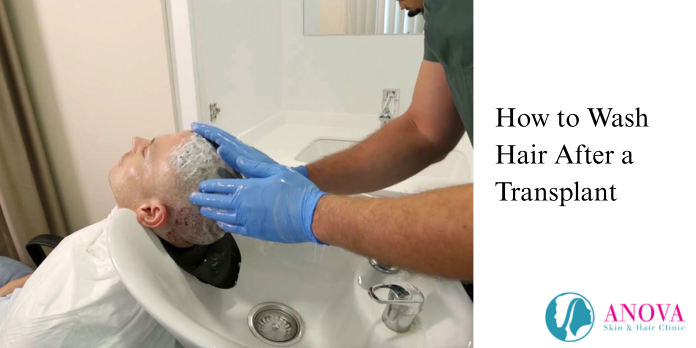
Washing is another issue that patients are usually concerned about. People are afraid of bad grafts, and good hair transplant aftercare includes proper washing. Washing the head prevents infection and removes the dried blood.
Light washing has also been seen to minimize itching and scabbing in the case of a hair transplant. Technique, but not force, is the key. In your clinic, certain instructions are normally given, and they should be adhered to.
When to Start Washing
The majority of the patients start with gentle washing 3-5 days following hair transplant surgery. Ensure that you consult your doctor always.
Shampoo and Lotion Recommendations
Use:
- Light, clinic-prescribed shampoo.
- Light lotion in order to soften scabs.
- Lukewarm water only
Strong chemicals or medicated shampoos are not to be used unless prescribed.
Proper Washing Technique
- Pour water gently with a cup
- Pat your shampoo softly
- No rubbing or scratching
- Rinse gently
Drying Your Hair Safely
- Air dry when possible
- Feeble tapping using a delicate towel.
- No hair dryers on hot mode
Washing is a significant aspect of aftercare of hair transplant and will encourage healthier healing.
Normal Symptoms vs Warning Signs
The concern of many patients after undergoing a hair transplant is what they feel. There are also symptoms that are normal and that are a part of healing. When a person is aware of the anticipation, anxieties are minimized, and panic is avoided.
Post-treatment of hair transplant should involve taking care of your scalp. As much as the post-transplant discomfort is not harmful in non-severe situations, serious problems should be reported.
Normal Itching, Redness, Swelling
The effects of hair transplant include:
- Mild swelling on the forehead
- Light redness
- Gentle itching
Their recovery normally takes some days.
Shock Loss Explained
Shock loss is an interim loss following a hair transplant. It is not an abnormality nor a failure. The next cycle is that hair grows back.
Signs You Should Call Your Doctor
- Severe pain
- Pus or unusual discharge
- Persistent swelling
- Fever
Tips to Speed Up Healing & Improve Results
Healthy habits can be used to optimize the process of healing after hair transplant. Although time is required, the supportive care enhances the outcomes and comfort.
Good post-surgical maintenance of hair transplantation helps the grafts to grow. A healthy routine followed by the patient who has undergone a hair transplant usually results in improved growth quality.
Nutrition for Hair Growth
Include:
- Eggs
- Fish
- Nuts
- Leafy greens
Importance of Hydration
Water enhances the circulation and healing of the skin. Drink enough daily.
Medications and Supplements
Annual leave should be restricted to what your doctor orders. Others can favor hair transplant recovery.
Stress Management and Sleep
There are effects of stress on hair cycles. Relaxation and rest are beneficial to healing.
Common Aftercare Mistakes to Avoid
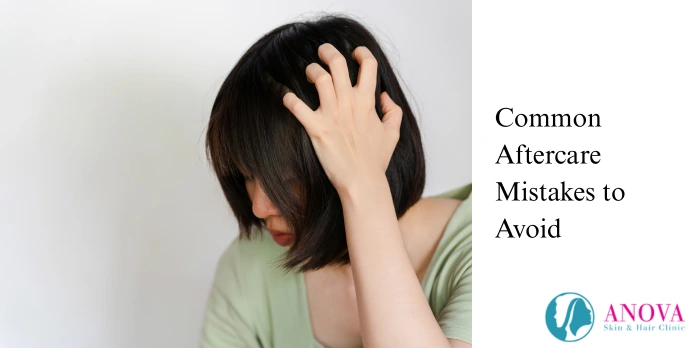
Even cautious patients are capable of making minor errors in the recovery. The issue lies in the fact that even minor errors may affect the graft survival and ultimate outcomes significantly. The aftercare of hair transplant is not a difficult task; however, it needs patience, regularity, and restraint. Numerous complications that occur following hair transplant surgery occur merely because individuals are in a hurry to get back to their normal lives.
Prevention of the most frequent errors will secure your grafts after the transplant and guarantee the successful recovery. The scalp is tender, and the grafts remain anchored during the early days following hair transplant. Similarly, activities that appear to be innocent, such as scratching or washing roughly, can disrupt this process. It is equally important to know what not to carry out as it is to know what to carry out.
Touching or Scratching Grafts
Itching is a normal process in the healing process of hair transplant, and scratching the scalp would loosen the grafts before they could settle. The smallest light picking on scabs can disrupt healing. In case itchiness inconveniences you, then it is best to abide by the instructions of your doctor instead of rubbing your hands on it.
Washing Too Aggressively
There are other patients who believe that hard cleaning implies good hygiene, which is no longer the case after hair transplant surgery. The grafts may be subjected to aggressive washing, high water pressure, or towel rubbing. The safest method in the recovery period is gentle treatment.
Returning to the Gym Too Early
Working out is good, but too vigorous training early after hair transplantation causes trouble. Exercises raise the level of sweat and rise in blood pressure, which can have an impact on the healing grafts. Slowly resume exercise with medical advice.
Ignoring Clinic Instructions
All the patients are given specific instructions, as each scalp condition and procedure is unique. Professional advice should be disregarded or followed independently online, and this may slow down the recovery. Although it seems obvious, the advice of your surgeon is the most valuable one when it comes to hair transplant aftercare.
When Will You See Results? Realistic Timeline
The outcomes of hair transplant take time. Among the largest misconceptions that patients possess is the idea of instant growth. As a matter of fact, hair transplant recovery is a biological cycle that cannot be expedited. The information on what to expect makes the patients calm and confident throughout the journey.
Healthy provision of hair transplant aftercare can be achieved. The schedule might be tedious, yet every stage belongs to the natural hair cycle. It is best to remain patient following the hair transplant surgery so as to allow the final results to come into place.
1-3 Months
In this time frame, there is a chance that some of the transplanted hairs will shed. This is what is referred to as shock loss and is normal. This does not imply that the transplant was unsuccessful. The scalp is healthy, and the roots are also healthy.
6 Months
At this age, new hair is likely to grow. Patients begin to experience an increase in thickness and coverage, but density is still progressing.
12-18 Months
Final results are found at this stage. Hair appears to be thicker, natural, and mixes well with other hair. At this point, the dividends of appropriate hair transplant aftercare do rank.