
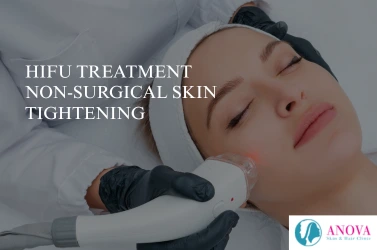
Keeping a young, tight skin is an ambition of many, and contemporary technology has enabled this without the need for surgery. HIFU treatment is one of the best innovations in skin rejuvenation as it is a non-invasive procedure that works at the lower layers of skin, tightening and lifting the skin. Here in this detailed guide, we shall get to know all that you need to know about the HIFU treatment, its advantages, mechanism, safety, and why Annova is the best clinic in Nepal to undergo this hi-tech treatment.
What Is HIFU Treatment?
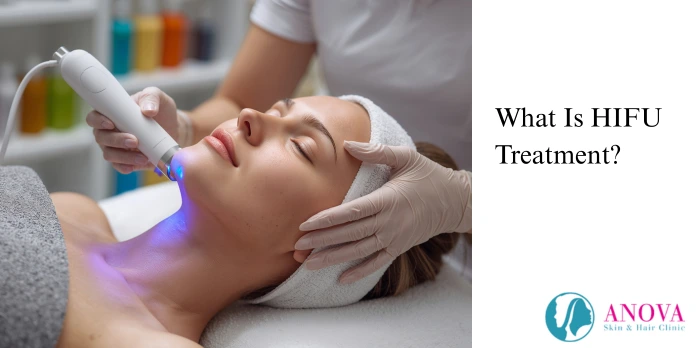
It is necessary to comprehend what HIFU treatment is before immersing oneself into the pros and processes. In its essence, HIFU is a non-surgical procedure wherein the focused ultrasound energy of high intensity is utilized to trigger collagen synthesis at the deepest levels of the skin. In comparison to lasers or radiofrequency treatments, the HIFU is able to treat the SMAS layer, also treated in surgical facelifts, with no incisions.
HIFU has been gaining popularity among people as an option for skin rejuvenation with a natural appearance and no downtime. It is perfect when it comes to individuals who desire to tighten their skin, minimize wrinkles, and make their skin look firmer.
What HIFU Stands For
HIFU is an abbreviated term that signifies High-Intensity Focused Ultrasound, implying the application of focused ultrasound. These waves go through the skin to produce energy on deep tissues.
How HIFU Technology Works in the Skin
The ultrasound pulse heats distinct regions under the skin, resulting in controlled micro-injuries. The body naturally responds and creates new collagen that tightens and raises the skin in the long run. It is a progressive process of increasing the skin elasticity and firmness.
Why HIFU Is Called a Non-Surgical Facelift
In comparison to the traditional facelift surgery, which is characterized by the use of a knife, sewing, and a long healing time, HIFU treatment is a non-surgical lift. It is capable of producing the same tightening effects without the safety risks that are involved in invasive procedures.
How HIFU Treatment Works
Getting the process of HIFU treatment can make you realize that it works well for skin rejuvenation. This process involves a limited amount of energy that is accurate in remodeling collagen and reinstating firmness.
HIFU has the technology to promote targeted treatment and minimal damage to surrounding tissue with minimal harm to the surrounding tissue due to the technology.
Role of Ultrasound Energy
The ultrasound waves are very high, and they are used to reach deep layers in the skin. These waves produce regulated heat, and this induces the synthesis of collagen and tissue regeneration.
Collagen Stimulation Explained
The main structural protein that ensures the skin’s elasticity and even firmness is collagen. The HIFU treatment activates fibroblasts, which are cells charged with collagen production, and this is what results in tightening that occurs gradually and naturally.
Which Skin Layers HIFU Targets (Including SMAS Layer)
Epidermis: The topmost layer is not affected.
Dermis: This is the middle layer that forms fine lines and wrinkles.
SMAS Layer: Innermost layer that is used to do lifts and firming, as with surgical facelifts.
Top Benefits of HIFU Treatment
HIFU treatment has various benefits over other cosmetic treatments. It is not invasive, efficient, and needs-oriented.
It is because more people prefer HIFU for the following reasons:
Skin Tightening and Lifting
HIFU procedure slowly raises the skin around the sides of the cheeks and neck that are hanging. The outcome is natural and will be seen after weeks, thus giving a younger, fresher look.
Wrinkle and Fine Line Reduction
HIFU can smooth fine lines and lessen wrinkles, especially around the forehead and eyes, without rough chemicals and surgeries by stimulating collagen.
Natural-Looking Results
The effect of HIFU takes time, unlike instant surgical changes, which form slight but visible rejuvenation.
No Surgery, No Downtime
HIFU does not require incisions or stitches, so the patients can get back to their daily lives.
Long-Lasting Effects
The outcomes of HIFU treatment may take up to one year or even more, with optional maintenance procedures when taken care of.
Who Is the Ideal Candidate for HIFU?

HIFU treatment is a good treatment that suits many individuals; however, when an appropriate candidate is chosen, the results are the best. It is worth knowing whether this procedure will match your skin needs in order to be realistic, and so that you are satisfied.
Overall, HIFU therapy is best applicable in people who can observe the first signs of aging but are not yet prepared to pursue surgical procedures. People usually select it when they want to improve slowly with a natural look rather than having a drastic or sudden transformation.
Age Group That Benefits Most
The majority of ideal candidates are between 30 and 60 years, the age of collagen production gradually decelerates, and there is mild skin laxity.
Nevertheless, there are cases where younger people in their late 20s decide to undergo an HIFU treatment as a form of anti-aging precaution. It can help to stay firm and postpone observable sagging by beginning early.
The older people can also get the same, although the expectations should be realistic, because very loose skin might need more severe procedures.
Skin Concerns HIFU Can Address
HIFU treatment can be useful, particularly in individuals suffering:
- Slight ptysis of cheeks and jaw.
- ptosis or ptosis of eyelids.
- Lines and fine wrinkles on the smile.
- Loose skin on the neck
- Slight double chin concerns
- The loss of collagen makes the skin uneven.
It offers a wonderful alternative to those who do not wish to change radically.
When HIFU May Not Be Enough
HIFU therapy cannot substitute surgical procedures when dealing with major sagging or skin folds. Individuals with extremely loose skin, severe wrinkles, or considerable signs of aging can require a combination therapy, or even cosmetic surgery.
The appropriate consultation in a professional clinic such as Annova is useful to understand whether HIFU is sufficient or if a more individual approach.
Areas That Can Be Treated with HIFU
The HIFU treatment has many benefits, and one of them is its versatility. It is able to deal with several regions where collagen support has been weakened.
Since the ultrasound energy is projected to one point only, the practitioner is able to target certain areas of problems without having to treat the surrounding skin.
Face and Jawline
HIFU is popular in outlining the jawline and elevating the cheeks. HIFU treatment is opted by a significant number of individuals who want to have a more sculptured, younger look of the face.
It is also beneficial in the softening of nasolabial folds (smile lines) as well as overall firmness of the face.
Neck and Chin
The thin skin will cause the neck to age prematurely. HIFU therapy can be used to tighten the skin around the neck and improve the appearance of a double chin.
This is a responding area as the ultrasound energy goes deeper into the tissue layers requiring tightening.
Other Possible Treatment Areas
There are progressive clinics that provide HIFU treatment of:
- Upper arms
- Abdomen after weight loss
- Thighs
- Knee area tightening
These applications are based on the type of device and the experience of the practitioner.
What Happens During a HIFU Session?
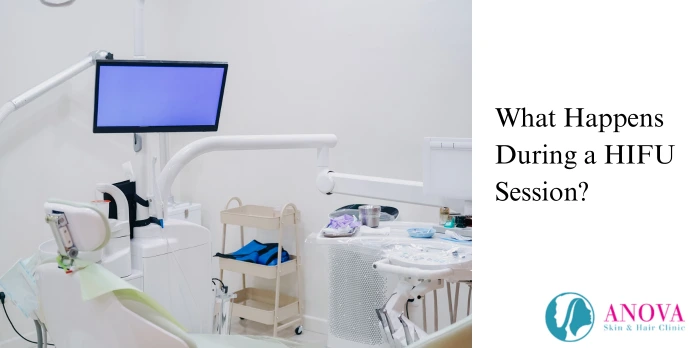
Numerous new customers are often nervous just because they are uncertain of the expectations. As a matter of fact, a HIFU treatment is easy and painless.
The procedure is performed in a clinic and does not involve anesthesia, injections and recovery period.
Step-by-Step Procedure Overview
An average HIFU treatment will consist of:
- Skin examination and interview.
- Washing up the treatment field.
- Applying ultrasound gel
- The provision of focused ultrasound pulses.
- Post-treatment, calming down as necessary.
Every procedure will be safety and accuracy-oriented.
How Long Does a Session Takes
The time of treatment is contingent on the area:
- Full face: 45-90 minutes
- Jawline: 30-45 minutes
- Neck: 30-45 minutes
There is no downtime, and so, a lot of individuals book it during lunchtime.
It is important to assess the level of comfort experienced during the treatment.
You can experience little heat pangs or pain. This is an indication that collagen stimulation is taking place.
What to Expect After HIFU Treatment
Minimal recovery is one of the reasons why people opt to undergo HIFU treatment. You are immediately allowed to resume normal life.
Collagen is developed naturally by the body, and therefore, the results are not instant.
Immediate Effects
Other clients experience minor tightening immediately after the session. Redness or heat may temporarily appear, but they disappear in hours.
Makeup and skincare may typically be used the same day.
Gradual Results Over Weeks
The greatest changes are seen in the period of 6-12 weeks when collagen is rebuilt. Skin appears harder, smoother, and tighter.
The improvement of results persists for a few months.
How Long Results Typically Last
HIFU results are likely to be long-lasting, ranging between 9-12 months or even more, depending on age and lifestyle.
Results can be prolonged by healthy practices such as drinking water, wearing sunscreens, and taking care of the skin.
Is HIFU Treatment Safe?
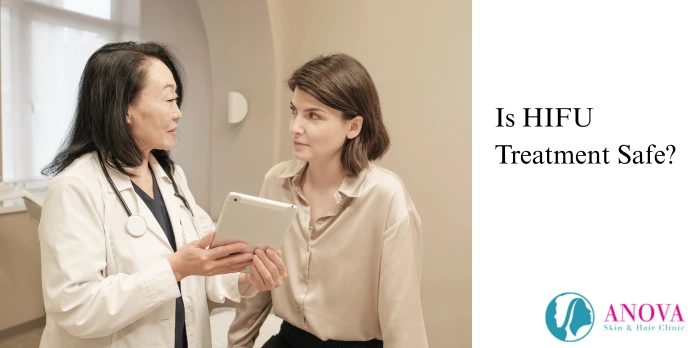
HIFU treatment is widely considered safe throughout the world in the hands of trained professionals. Aesthetic medicine is a commonly studied and practiced field in the use of technology.
The selection of the appropriate clinic contributes significantly to the safety and outcomes.
Safety When Performed by Professionals
Qualified professionals are aware of how to choose the right amount of energy and the specific points to be focused on. This eliminates undesired side effects.
Common Temporary Side Effects
The potential short-term effects are:
- Redness
- Mild swelling
- Tenderness
- Slight tingling
These, on average, clear up in a day or two.
Importance of Choosing a Qualified Clinic
A mature clinic such as Annova guarantees adequate evaluation, cleanliness, and equipment quality. This enhances the safety and the outcomes significantly.
HIFU vs Other Skin Tightening Treatments.
There are numerous individuals who weigh alternatives prior to selecting a treatment. HIFU is unique since it penetrates deeper layers without an operation.
It provides a midway between creams and surgical facelifts.
HIFU vs Laser Treatments
Laser procedures are more concerned with skin-deep problems such as pigmentation. HIFU is more effective in deep-lifting and tightening.
The two can be used to complement one another, but with different purposes.
HIFU vs Surgical Facelift
Surgical facelift has dramatic outcomes; however, it is expensive, time-consuming, and unsafe. HIFU therapy has a non-surgical lifting effect.
HIFU is one of the things many people attempt to use before having invasive measures in mind.
Why Many Choose HIFU First
It is non-invasive, fast, and naturally appearing. This is a tremendous convenience to busy people.
How Many HIFU Sessions Are Needed?
Sessions will be based on skin condition and objectives. Others get results in only one session.
Others are in favor of periodic maintenance.
Typical Treatment Plans
In many cases, maintenance can be maintained by one primary session a year. Others might require doing touch-ups every 6-12 months.
Maintenance Sessions
Maintenance assists in maintaining active collagen levels and the firmness of skin. The provider will suggest a schedule to you.
Cost of HIFU Treatment in Nepal
Prices are determined depending on region size, quality of the equipment, and experience of the clinic. Usually, the estimated cost of HIFU treatment falls between $800 – $3500 per session.
Although the price is an issue, safety and performance are more important.
Factors That Affect Pricing
- Treatment area size
- Practitioner skill
- Device technology
- Clinic reputation
Why Quality Matters Over Cheap Deals
Cheap packages can be old and poorly trained personnel. This can reduce results.
Reliable clinics invest in high-quality and safe technology.