
The loss of hair is one of the most emotionally demanding issues for both men and women today. Although it is normal to lose strands every day, excessive loss or a consistent fall may cause concern and strongly affect self-esteem and self-worth. The selection of the proper hair treatment for hair loss does not concern quick solutions and oil wonders; rather, it is a matter of knowing the cause of the problem and implementing medically proven options.
In Nepal, the consciousness of professional hair care is still building up, and misinformation is a prevalent part of the discussion. This manual summarizes all that you need to know about hair treatment in terms of causes and diagnosis of hair loss issues, treatment options, proven and realistic expectations that are easy to understand and medically correct.
Understanding Hair Loss Before Choosing Any Treatment
It is necessary to know how the hair grows and why hair falls before commencing any treatment on the hair in terms of hair loss. Most individuals are so quick to enter into treatment without understanding the cause, and end up disappointed and spending money in vain.
Hair loss is not an independent condition- it is a symptom. Its successful treatment requires defining what is causing the failure in the normal hair-growing process.
How the Hair Growth Cycle Works (Anagen, Catagen, Telogen)
Hair is developed in three major stages:
- Anagen (growth phase): The period lasts 2-6 years; hair grows actively.
- Catagen (transitional stage): Takes several weeks; the growth is slowed.
- Telogen (resting/shedding stage): Hair loss occurs, and new hair starts growing.
In case this cycle is disrupted, the shedding of hair accelerates. Treatment of hair loss is aimed at correcting this cycle, rather than imposing artificial growth.
When Hair Loss Is Normal vs When It’s a Medical Concern
It is quite normal to lose as many as 100 hairs per day. It is alarming when you realize that your hair is falling when you notice:
- Unnecessary hair on the pillows or drains.
- Scalp or widening parts are visible.
- Thinning after disease or stress.
- Patchy or uneven hair loss
Hair treatment for hair loss should then be done in such instances professionally.
Why One Hair Treatment Never Works for Everyone
The loss of hair varies in every individual. There are roles of genetics, hormones, nutrition, stress and health conditions. This is the reason why not just one oil, shampoo, or supplement will be universal. Hair loss treatment and hair loss treatment are most effective when done on a personal basis.
Common Causes of Hair Loss That Determine the Right Treatment
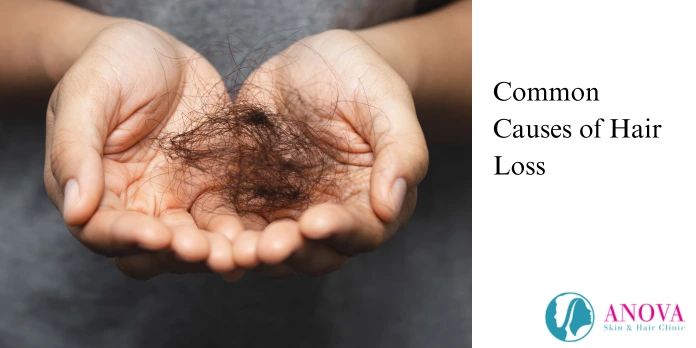
The determinant of the correct hair treatment for hair loss is understanding the cause of hair loss. The symptoms are treated without focusing on the cause, and it usually results in a temporary or no outcome.
Genetic Hair Loss (Male & Female Pattern Baldness)
It is the leading cause of loss of hair. It causes progressive atrophy at the hairline or the crown. Genetic baldness is gradual yet can be treated with hair loss treatment at an early age.
Hormonal Imbalances and Medical Conditions
Hair loss can be provoked by such conditions as thyroid disorders, PCOS, menopause, and postpartum hormonal changes. In this scenario, any medical examination is necessary to initiate any hair treatment for hair loss.
Stress, Illness, and Sudden Hair Shedding
Extreme stress, fever, surgery, or emotional trauma may drive hair into the shedding stage, leading to sudden loss of hair or telogen effluvium. Hair treatment for hair loss is aimed at recovery and not aggressive treatment.
Nutritional Deficiencies and Lifestyle Factors
The common causes include iron deficiency, vitamin D deficiency, protein deficiency, poor sleep, and crash dieting. These are important aspects that need to be corrected in the process of treating hair loss.
Hair Damage from Styling, Chemicals, and Traction
Heat styling, tight hairstyles, chemical procedures, and harsh treatment of hair weaken hair roots. Follicle protection and scalp healing are the hair treatments in such cases to treat a loss of hair.
How Hair Loss Is Diagnosed in a Professional Hair Clinic
The most neglected step in hair treatment for hair loss is in diagnosis. In the absence of a diagnosis, treatment is a game of blind-folding.
The evaluation process at professional clinics is organized in such a way that it can treat patients appropriately.
Detailed Medical History and Scalp Examination
Physicians examine the density of hair, the condition of the scalp, shedding habits, and the medical history so that they can determine the type of hair loss.
Blood Tests and Hormonal Evaluation
The blood tests are used to detect any deficiencies or hormonal imbalances that lead to the loss of hair. The results of these studies have a direct informational impact on hair treatment for hair loss.
Hair Pull Test, Dermoscopy, and Scalp Analysis
The high-tech equipment measures the follicle functionality and hair density and assists the specialists in concluding whether hair follicles are active or not.
Why Proper Diagnosis Is the Foundation of Effective Treatment
The diagnosis averts unneeded treatment and enables specific hair treatment for hair loss, thereby elevating success rates and saving time.
Best Hair Treatment for Hair Loss Backed by Medical Science
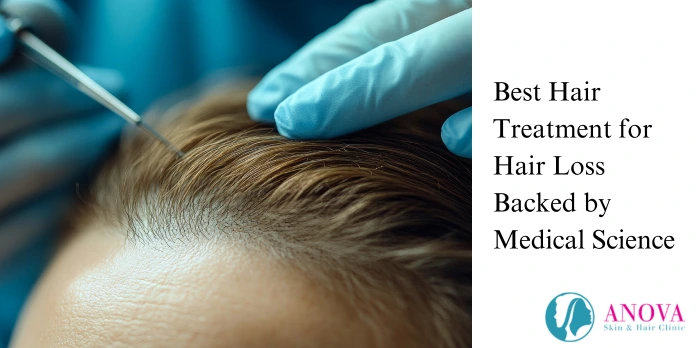
Not all treatments are equal. Hair loss being scientifically treated is mainly aimed at keeping follicles intact, strengthening the scalp, and inducing hair growth.
Topical Therapy (Minoxidil and Medicated Solutions)
The use of minoxidil to retard hair loss and stimulate hair growth is a common one. It is best when administered early and continuously as a constituent of a hair loss strategy involving hair treatment.
Oral Medications for Hair Loss Control
There are prescription drugs that aid in hormonal hair loss. Medical professionals should monitor these treatments to make them safe.
Platelet-Rich Plasma (PRP) Therapy for Hair Regrowth
PRP therapy involves the patient using a technique to stimulate the dormant follicles. It is a non-surgical therapy of hair loss popular and promising.
Low-Level Laser Therapy (LLLT)
Laser treatment enhances blood flow to the hair follicles and assists in hair growth in certain people when coupled with other hair treatments that can generate hair loss remedies.
Hair Transplant Options for Advanced Hair Loss
In severe cases of hair loss, there is a permanent outcome of hair transplant surgery of moving healthy follicles. It is used in situations where other hair treatments, in the case of hair loss, are not enough.
Non-Surgical Hair Treatments for Early and Moderate Hair Loss
Not everyone needs surgery. Non-invasive treatment of hair loss is beneficial to many people in cases where it is treated at an early stage.
PRP Therapy: Who It’s Best For and Expected Results
PRP is most effective in early hair loss of pattern and thinning. The outcomes are realized progressively in months through several sessions.
Advanced Growth Factor & Mesotherapy Treatments
These types of treatments allow them to put nutrients and growth factors in the scalp, which is beneficial for the health of the follicles and better blood flow, resulting in the growth of hair that is stronger and healthier in the long run.
Scalp Detox and Follicle Stimulation Therapies
Clearance and increased scalp circulation promote the efficacy of hair treatment for hair loss, allowing active ingredients to penetrate better and improving overall follicle response to therapy.
Combining Treatments for Better Long-Term Results
Combination therapy is usually more effective compared to single treatment approaches, as it targets multiple causes of hair loss simultaneously and delivers more consistent, long-term results.
What Results to Expect From Hair Treatment for Hair Loss

Timeline of Hair Regrowth (3, 6, and 12 Months)
Hair loss treatments on the hair do not produce immediate results, but s/he can see changes in stages.
During the initial 3 months, excessive hair fall starts to reduce in most patients as the follicles start stabilizing.
At 6 months, the objective improvement in hair thickness and texture can be observed, and this is particularly in areas of thinning.
With proper and consistent intake of treatment, in most cases, an individual will have an enormous growth in the amount of hair at the age of about 12 months.
Why Consistency Matters More Than Speed
The hair is a slow-growing substance, and there cannot be any form of hair treatment for hair loss that can bypass this biological action. Unrealistic expectations that cause treatments to be stopped too early are one of the most frequent causes of treatment failure. Frequent implementation, follow-ups, and tolerance are essential in obtaining and sustaining long-term outcomes.
Factors That Affect Treatment Success
Hair treatment for hair loss is an individual-dependent result. Age, genetic factors, lifestyle, stress, nutritional status, and compliance to prescribed course of treatment are all very crucial. The outcomes tend to be more sustainable, as the patients who adhere to medical recommendations tend to have improved outcomes.
Myths and Mistakes People Make About Hair Loss Treatment
False news and unrealistic statements tend to drive individuals out of good hair treatment for hair loss. The trends of social media, untested solutions, and overstated offers will postpone appropriate treatment and aggravate the loss of hair in the long term. The knowledge of mythical beliefs assists people in making wise choices.
Natural Oils Alone Can Regrow Hair
Natural oils may be used to enhance the hair texture, decrease dryness, and make hair shiny; however, they cannot restore damaged or inactive hair follicles. Although oils can help in the maintenance of the scalp, they cannot be applied as a full-fledged hair treatment in individuals with hair loss; they can only act as support care with their medical counterparts.
One Session Is Enough for Permanent Results
The treatment of hair loss is not a single process. PRP, medications, or topical therapy are all effective only with recurrent sessions and long-term maintenance. Having one session can hardly be expected to yield any lasting outcomes or an extension to treatment.
Self-Medication Without Proper Diagnosis
Self-use of medications or treatment without a professional assessment may complicate or result in side effects of hair loss. Different forms of hair loss need different methods, and wrong treatment may retard healing. This is achieved by proper diagnosis to make the correct choice of hair treatment for hair loss in the first place.
Delaying Treatment Until Hair Loss Becomes Severe
Most individuals do not seek treatment until the hair has been lost to a significant extent, thus reducing its ability to be treated. An early intervention maintains the follicles available and gives them a higher growing prospect. It is better to start hair treatment earlier and achieve more predictable and successful results.
Why Choosing the Right Clinic Matters for Hair Treatment
The place where you get your hair treatment done due to hair loss is just as important as the treatment.
Importance of Medical Expertise and Technology
Unless there are trained doctors and modern equipment, effective care will be endangered.
Personalized Treatment Plans vs One-Size-Fits-All
Individualized plans result in improved and sustainable results.
Safety, Hygiene, and Ethical Medical Practices
Salons do not have the same standards as medical clinics.
FAQs:
What is the best treatment for hair loss?
The most effective remedy is based on the premise of the cause of hair fall, i.e., genetics, hormones,s or nutritional problems. A medically prescribed hair loss treatment is aimed at the appropriate diagnosis, followed by the selection of PRP, medications, or topical treatment. Individualized treatment is never less effective and more dangerous than a generic one.
How to stop falling hair naturally?
Hair fall can be slowed down at an early stage using natural treatment options such as a balanced diet, stress management, and taking care of hair. Nevertheless, in cases where hair fall is chronic, a combination of a healthy lifestyle and a professional hair regimen for hair loss becomes more predictable in results. Natural care helps in treatment but does not substitute medical solutions very often.
How to control hair fall?
The process or management of hair fall begins by determining the triggers, such as deficiencies, stress, or scalp disorders. The uniformity of treatment, lifestyle change, and early medical assistance are the critical aspects of efficient hair treatment for hair loss. The problem associated with action delay complicates control.
How to grow crown hair?
Crown baldness is normally attributed to hereditary pattern baldness, and it should be treated early. Topical solutions, PRP, and advanced hair treatment for hair loss can be used to enhance the strength of the follicles in the crown region. At the early stage of treatment, the likelihood of observable growth and density is enhanced.