
One of the most widespread and at the same time preventable types of cancer worldwide is skin cancer. As exposure to the sun increases, lifestyle and outward habits, more people are exposed tolong-term skin damage. The positive thing is that with a few regular precautions, your risk can be significantly reduced. The first step to protecting your skin and your overall health is to understand how to prevent skin cancer throughout your life.
This informative blog contains all the essential and general information that can help you make quality decisions regarding the topics and issues related to skin cancer. Annova doesn’t directly deal with treating skin cancer, but treats skin and hair-related issues that can be observed on our website.
What Is Skin Cancer and Why Prevention Matters
Skin cancer is formed when the skin cells are damaged, and this is mostly caused by the ultraviolet (UV) radiation of the sun or artificial sources such as tanning beds. As time passes, repeated use and exposure to UV light causes mutation in the DNA of the skin cells, resulting in abnormal growth.
Prevention is important since the damage to the skin is cumulative. Even a little sun exposure a day can add up over time and expose an individual to the risk of skin cancer in the future. Early education on the prevention of skin cancer assists in keeping the skin healthy and avoiding severe complications.
Who Is at Risk of Skin Cancer?
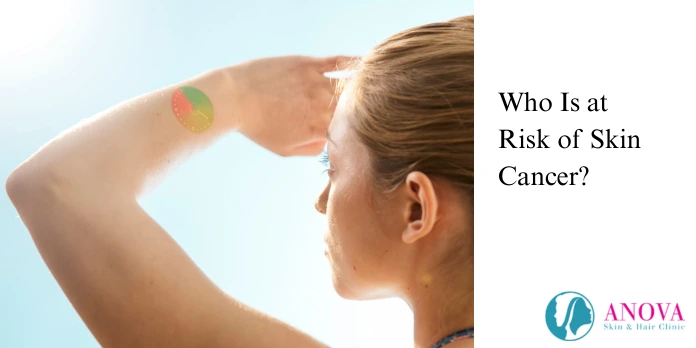
Skin cancer can develop, regardless of age, gender, or skin tone. However, some factors may risk the increase, such as:
- Long time exposer to the sun
- Frequent sunburns, especially during childhood
- Fair skin that burns easily
- Family history of skin cancer
- Use of tanning beds
- Weakened immune system
It’s important to understand that darker skin tones are not immune. Skin cancer may appear differently and is sometimes detected later, which makes awareness and prevention essential for everyone.
5 Powerful Ways to Prevent Skin Cancer
Prevention of skin cancer begins with the daily activities that are easy to adopt and help keep your skin safe from being damaged in the long run. With the appropriate precautions of keeping your skin out of the sun and monitoring the changes on your skin, you can substantially reduce the risk of skin cancer. These five tips are powerful steps that show how one can prevent skin cancer and have healthy skin forever.
1. Practice Smart Sun Protection Daily
One of the most effective ways to prevent skin cancer is to minimize direct sun exposure on the skin.
- Avoid being outdoors during peak sun hours, usually between late morning and afternoon(11 am- 3 pm)
- Seek a sunshade whenever possible
- Remember that UV rays can penetrate clouds, so protection is necessary even on overcast and cloudy days
Consistent sun-safe behavior reduces cumulative skin damage over time.
2. Use Sunscreen the Right Way
Sunscreen is a critical tool in skin cancer prevention, but it must be used correctly, and the ingredients and chemicals are natural and should not contain any sulfur.
- Choose a broad-spectrum sunscreen that protects against both UVA and UVB rays
- Apply sunscreen generously to all exposed areas (i.e, face, neck, hands)
- Reapply every two hours, especially after sweating or washing
Daily sunscreen use is one of the simplest and most effective habits to prevent skin cancer and premature skin aging.
3. Wear Protective Clothing and Accessories
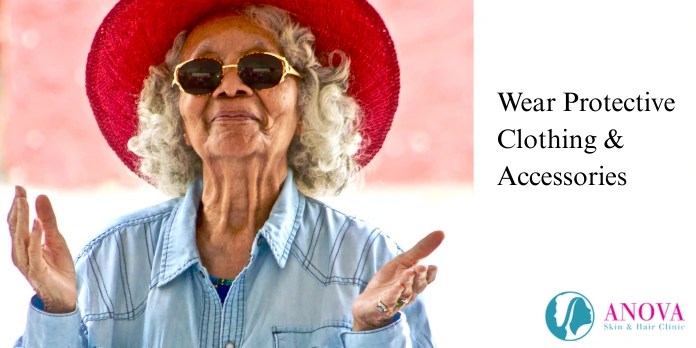
Clothing provides a physical barrier against harmful UV rays.
- Wear long-sleeved shirts and full-length pants when possible
- Use wide-brimmed hats to protect the face, ears, and neck
- Choose sunglasses that block UV radiation to protect the delicate eye area
Protective attire will be used as a supplement to sunscreen and provide additional protection against sunburn.
4. Avoid Tanning Beds and Artificial UV Exposure
Artificial UV radiation from using tanning beds is as harmful as direct sunlight exposure.
- Tanning beds increase the risk of skin cancer and accelerate skin aging
- A tan in your skin is a sign of injury, not health
The prevention of skin cancer and the maintenance of skin integrity are very important steps that should be taken by avoiding artificial sources of UV.
5. Check Your Skin Regularly
Early detection plays a vital role in successful treatment, as there are many stages for the cancer to be dangerous, and if it is detected in frst stage, then it will be easier to cure it than detecting it on later stages.
- Perform monthly self-examinations to look for new or changing spots like moles, warts, cysts, and others.
- Watch for changes in size, shape, color, or texture of moles.
- Pay attention to sores that don’t heal for a long time.
Consistent skin examinations allow to detect the early warning signs and minimize the risk in the long term.
Early Detection Saves Lives
Early diagnosis is the best method of enhancing the prevention of skin cancer. The majority of skin cancers are simpler to treat and less prone to complications when diagnosed at an early age. Observing skin transformations and responding to them in time can help avoid the development of skin cancer and maintain long-term skin health.
Key Reasons Early Detection Matters
1. Identifies Skin Cancer at a Treatable Stage
A skin cancer that is detected in the initial stages can be treated with ease and lead to better recovery. Timely diagnosis plays a major role in helping prevent skin cancer complications.
2. Helps Recognize Warning Signs Early
The appearance of new moles or changing moles, abnormal darker coloration, or unhealing sores should not be ignored. When these signs are noticed early, the prevention of the further growth of skin cancer becomes easier.
3. Encourages Regular Skin Monitoring
Monthly self-examinations help you become familiar with your skin, making it easier to spot changes. Regular monitoring supports early action and helps prevent skin cancer through awareness.
4. Supports Professional Medical Evaluation
Dermatologists can detect subtle skin changes that may not be obvious. Regular professional skin checks are especially important for those at higher risk and are essential to prevent skin cancer through early intervention.
Early Detection Complements Prevention
Sun protection habits combined with early detection offer the strongest defense against skin cancer. Together, these steps reduce risk, improve treatment success, and help prevent skin cancer effectively.
Skin Cancer Prevention for Children and Teens
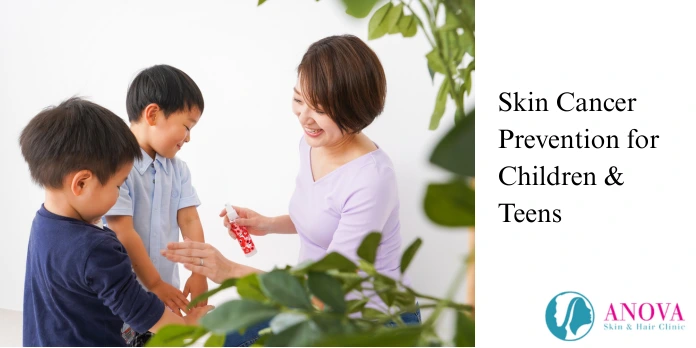
Protecting the skin against sunburns needs to start at an early age because early years’ sunburns have a high potential of causing one to be susceptible to skin cancer later in life. Educating children about healthy sun habits can help in safeguarding their skin, and lifelong awareness can assist in preventing skin cancer at an early age.
- Encourage protective clothing
Dressing children in full sleeves, hats, and sunglasses creates a physical barrier against harmful UV rays. - Apply sunscreen before outdoor activities
Sunscreen should be applied generously and reapplied during prolonged outdoor play to help prevent skin cancer caused by sun exposure. - Limit outdoor activities during peak sun hours
Planning playtime outside of peak sun hours reduces direct UV exposure and lowers skin damage risk. - Teach healthy sun habits early
Educating children about shade, sunscreen, and sun safety encourages lifelong behaviors that help prevent skin cancer.
Early instillation of the practices can establish good long-term habitual practices of skin protection.
When to See a Dermatologist
A benefit of professional skin assessments is a valuable aspect of skin cancer prevention among those who have risk factors or have observed any skin changes. Frequent visits to dermatologists will be very helpful in ensuring the prevention of skin cancer by early treatment.
- Perform thorough skin examinations
Dermatologists examine the skin carefully to detect early or hidden signs of damage. - Identify early signs of skin damage
Subtle changes that may go unnoticed during self-exams can be detected by trained professionals. - Provide personalized prevention advice
A dermatologist can recommend tailored sun protection strategies to help prevent skin cancer based on skin type and lifestyle. - Monitor high-risk individuals
People with a family history, frequent sun exposure, or multiple moles benefit from routine monitoring.
Routine check-ups help ensure skin issues are addressed promptly and accurately, improving long-term skin health.
Conclusion
Through appropriate knowledge, awareness, and habits, skin cancer can be prevented to a great extent. Just basic steps like practicing sun protection, proper use of sunscreen, not exposing yourself to fake UVs, and checking on your skin often can help you a lot in the long run. These preventive steps work best when followed consistently and combined with early detection.
With active measures for your skin in the present day, you can prevent skin cancer, reduce long-term damage, and retain healthier skin in several years. It is important to keep in mind that healthy skin is not only a matter of appearances, but also it is crucial to your well-being and the quality of your life.
FAQs:
What are 10 ways to prevent skin cancer?
You can significantly reduce your risk by following these preventive steps:
- Avoid direct sunlight exposure during peak hours.
- Seek shade whenever possible.
- Use broad-spectrum sunscreen daily.
- Reapply sunscreen every two hours.
- Wear anti-UV protective clothing.
- Use wide-brimmed hats and UV-blocking sunglasses.
- Avoid tanning beds and sunlamps.
- Protect your lips with SPF lip balm.
- Perform monthly skin self-examinations.
- Visit a dermatologist regularly for skin checks.
Practicing these habits consistently is one of the most effective ways to prevent skin cancer.
How to prevent skin cancer naturally?
Natural ways to prevent skin cancer focus on lifestyle and behavioral changes rather than products alone. These include:
- Limiting time in direct sunlight.
- Wearing sun-protective UV clothing.
- Seeking shade during outdoor activities.
- Maintaining a healthy diet rich in antioxidants
- Avoiding artificial tanning.
While natural methods help reduce risk, they work best when combined with medical sun protection like sunscreen and professional skin evaluations.
How does skin cancer look?
Skin cancer can appear differently from person to person. Common signs include:
- New or unusual growths on the skin (i.e, moles, warts, cysts, and others).
- Moles that change in size, shape, or color.
- Sores that do not heal for a long period of time.
- Spots that itch, bleed, or crust.
Any persistent or changing skin lesion should be examined by a dermatologist for early diagnosis and management.
Can you cure skin cancer?
Many types of skin cancer are highly treatable, especially when detected early. Treatment options depend on the type, size, and stage of the cancer and may include minor surgical procedures or other medical treatments.
Early detection combined with preventive care greatly improves outcomes, which is why regular skin checks and awareness are essential.