

Concerns about skin, hair, and nails may concern individuals of any age and may extend past mere cosmetic problems. Such problems as acne, excess hair loss, pigmentation, or chronic skin diseases can be uncomfortable, can influence confidence, and in some cases, are indicators of underlying health problems. Since the concerns may be caused by different causes and also have different levels of severity, they might need appropriate medical investigation, as compared to self-treatment and home care. This article focuses on learning deeply about what is a dermatologist.
This is where it would be necessary to know what a dermatologist is. A dermatologist refers to a trained medical practitioner who specializes in the diagnosis and treatment of skin, hair transplant, and nail-related diseases. The medical knowledge and special training will help dermatologists detect the underlying cause of the problems and prescribe safe and efficient treatment options that can meet the needs of an individual.
The awareness of when and why to see a dermatologist can help people make an informed choice regarding their skin and hair condition. Professional advice not only enhances the results of the treatment but also helps in avoiding complications and long-term care of skin, hair, and nails.
What Is a Dermatologist?
A dermatologist is a specialist in the medical field that deals with skin, hair, and nails. Dermatologists are trained to diagnose and treat a very large variety of disorders, including both the typical and unusual skin issues.
Knowledge of what a dermatologist is helps patients to make informed decisions rather than taking their decisions on self-prescription or non-prescription medication. Due to the fact that the skin is the largest body organ, medical care is important to the health and appearance.
Dermatologists are not only concerned with the treatment of the visible symptoms but also with the diagnosis of the causes of the skin and hair issues. We hope this answered your genuine question on what is a dermatologist.
What Does a Dermatologist Do?
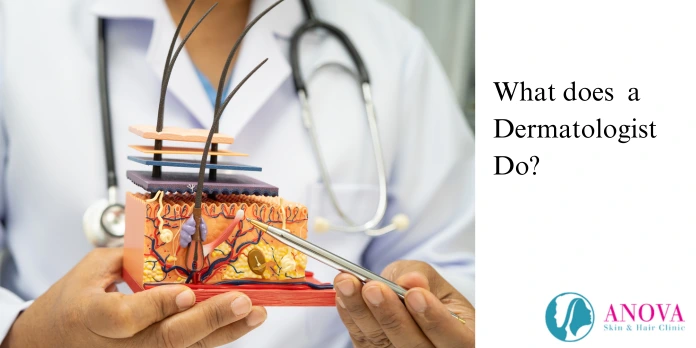
Dermatologists are specialists in the medical field that deals with the care of the skin, hair, and nails. They primarily involve diagnosing the conditions, treating them, and preventing further issues.
1. Diagnose Skin, Hair, and Nail Conditions
Dermatologist doctor look at the skin, scalp, hair, and nails deeply to determine the medical conditions. They are accustomed to observing minor changes, appearances, and symptoms that cannot be identified without any medical background knowledge.
Diagnosis should be done correctly since most skin and hair disorders look alike and need various modes of treatment. That is why it is important to know what a dermatologist does to ensure that one gets good and effective care.
2. Treat and Manage Skin and Hair Conditions
Thereafter, upon diagnosis of a condition, dermatologists design customized treatment plans according to the needs of the patient. Therapy can be in prescription drugs, topical preparations, surgery, or long-term care.
Numerous skin and hair diseases are chronic and require frequent follow-ups. A dermatologist is useful in controlling and treating symptoms, decreasing skin problems, and enhancing the general condition of the skin and hair safely andin a regulated.
3. Help Prevent Skin and Hair Problems
Prevention is a critical component of dermatology treatment. Dermatologists advise patients on how to take good care of their skin, using sunscreens, the scalp, and healthy living habits.
Early medical consultation can be used in order to prevent minor concerns about the skin or hair from becoming serious or lasting ones, and guarantee a good overall state of skin and hair.
What Conditions Do Dermatologists Treat?
Dermatologists are trained to cure ailments of the skin, hair, and nails. The conditions that dermatologists treat help people know when they need professional care.
Skin Conditions
Dermatologists commonly treat:
- Acne and acne scars
- Eczema and dermatitis
- Psoriasis
- Pigmentation problems
- Skin infections and rashes
These disorders may have an impact on physical well-being and self-esteem. Symptoms can be treated with the help of proper medical treatment and by avoiding complications.
Hair and Scalp Conditions
The dermatology care also involves a lot of hair and scalp issues, such as:
- Hair fall and thinning
- Alopecia (hair loss conditions)
- Dandruff and flaky scalp
- Scalp infections and inflammation
A dermatologist examines the scalp and health of the hair to establish the cause of the problem and provide a specific remedy.
Nail Conditions
Nail complications may reflect underlying health conditions. Dermatologists treat:
- Nail infections
- Nail discoloration
- Changes in nail growth or texture
Medical evaluation ensures nail conditions are treated correctly and safely.
Are Dermatologists Medical Doctors?

Yes, the dermatologists are medical doctors to the fullest. They undergo medical training after which they are trained in specialization in dermatology.
The relevance of understanding dermatologists is that it will help to bring attention to the distinction between medical and non-medical cosmetic services related to dermatologists. Dermatologists possess the education needed to diagnose illnesses, prescribe drugs, and carry out medical surgeries with a lot of safety.
What Procedures Do Dermatologists Perform?
Dermatologists carry out various medical and cosmetic surgeries to diagnose, treat, and manage skin, hair, and nail conditions. These interventions are chosen according to the state of the patient, their severity, and their health, and they guarantee safe and effective treatment.
Medical Dermatology Procedures
The medical dermatology procedures aim at diagnosing skin diseases and offering proper treatment to the patients in order to control both the short-term and the long-term disease.
- Skin Examinations
Dermatologists also conduct a detailed examination of the skin to examine the rashes, moles, infection, or any abnormal change. Such assessments are used to identify skin conditions at an early stage and refer to subsequent treatment or investigation in case of need. - Biopsies for Accurate Diagnosis
In others, a tiny piece of skin can be collected to be subject to laboratory analyses. A biopsy assists in the diagnosis of a disease that cannot be determined through visual observation alone to ensure that the most appropriate treatment regimen is used. - Treatment of Infections and Chronic Skin Conditions
Dermatologists cure skin infections caused by bacteria, fungi, and viruses, and such chronic diseases as eczema and psoriasis. Treatment and surgical methods ensure the management of symptoms, reduction of pain, and avoidance of complications.
Surgical dermatology is needed to optimally and safely treat skin ailments and chronic skin care.
Cosmetic Dermatology Procedures
The cosmetic dermatology treatments are used to enhance the beauty of the skin and hair without sacrificing medical safety and the health of the skin.
- Acne Scar Treatments
Dermatologists employ medically acceptable methods to minimize acne scars and enhance the skin texture. Such treatments are useful in repairing the more flattened and even-skinned skin. - Anti-Aging Procedures
Anti-aging therapy aims at minimizing fine lines, wrinkles, and skin aging. Dermatologists determine the skin type and condition prior to prescribing the right procedures that produce a natural look. - Laser-Based Skin and Hair Treatments
The laser therapies are applied to a wide range of skin and hair issues, such as hair removal, pigmentation, and skin rejuvenation. The procedures are carried out under the supervision of a physician in order to be safe and effective.
Every cosmetic procedure conducted by dermatologists incorporates the aesthetic value with medical skills to be able to have an outcome that promotes the skin and the outlook.
When Should You See a Dermatologist?
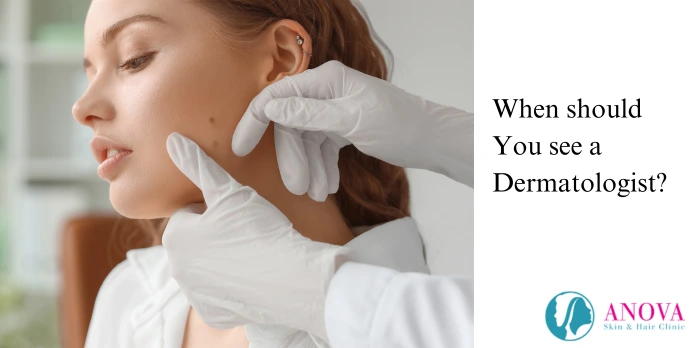
Being aware of when to visit a dermatologist is one of the means of avoiding treatment delays.
Ongoing or Worsening Skin Problems
In case the skin issues fail to improve with simple care or recur, a visit to the doctor is advisable. The constant rash, acne, or pigmentation problems cannot be overlooked.
Hair Loss or Scalp Issues
Hair fall, thinning, or permanent scalp issues should be a cause of concern as they may indicate medical conditions that need the opinion of a professional.
Nail or Skin Changes
It should be investigated when the color of the skin or nails changes, or their shape is changed, or even the texture, or when some new formations appear.
Why Is Seeing a Dermatologist Important?
It is also necessary to visit a dermatologist to have healthy skin, hair, and nails when the issues remain or become worse as time passes. Professional medical assistance aids in making sure that the conditions are tackled properly and safely at an early stage.
- Accurate Diagnosis
Dermatologists are prepared to detect the specific root cause of skin, hair, and nails. Numerous ailments might appear similar to the eye but need varying methods of treatment. Correct diagnosis prevents incorrect treatment and guarantees the most efficient plan of care. - Safe and Effective Treatment
A dermatologist prescribes treatments that are medically acceptable and appropriate to the skin type and condition of a particular person. This will minimize the chances of any side effects, and the overall long-term outcomes are better than the remedies that are not tested or unsuitable. - Reduced Risk of Complications
Timely medical care can be used to avoid the occurrence of minor problems becoming serious or large ones. Treatment also reduces the chances of infections, scarring, or permanent damage.
Self-medication or delaying professional care can often worsen skin and hair problems. Consulting a dermatologist provides personalized, evidence-based solutions that support long-term skin and hair health.
Final Thoughts
Knowledge of what a dermatologist is contributes to informed choices on skin, hair, and nail conditions. Dermatologists are crucial in the medical diagnosis, treatment, and prevention of various conditions.
It is possible to achieve better outcomes by consulting a professional like Anova at the appropriate moment, and save long-term health and guarantee a feeling of safety.
FAQs:
What exactly does a dermatologist do?
The dermatology doctor diagnoses and treats skin-related, hair, and nail problems. These are acne, eczema, infections, allergies, loss of hair, and problems related to skin aging. A dermatologist also carries out procedures such as skin biopsies and cosmetic treatments.
What are the four types of dermatologists?
There are four key categories of skin specialist doctor, including medical dermatologists (who treat skin diseases), cosmetic dermatologists (who focus on appearance), surgical dermatologists (do skin surgeries), and pediatric dermatologists (who treat skin diseases in children). The specialists of each type are in various dermatology requirements.
What is the difference between a doctor and a dermatologist?
The major distinction is in specialization. A general physician is a doctor dealing with general health-related conditions, whereas a dermatologist meaning is a specialist in medicine who is respecialized to diagnose and treat skin, hair, and nail diseases. Dermatologists have superior training in general medicine.
What are the duties of a dermatologist?
The primary roles of What Is a Dermatologist are characterized by the work with skin conditions, prescribing medicine, performing minor surgical operations, and providing preventive skin care consultation. Early signs of severe illnesses, such as skin cance,r are also identified with the aid of a dermatologist.